
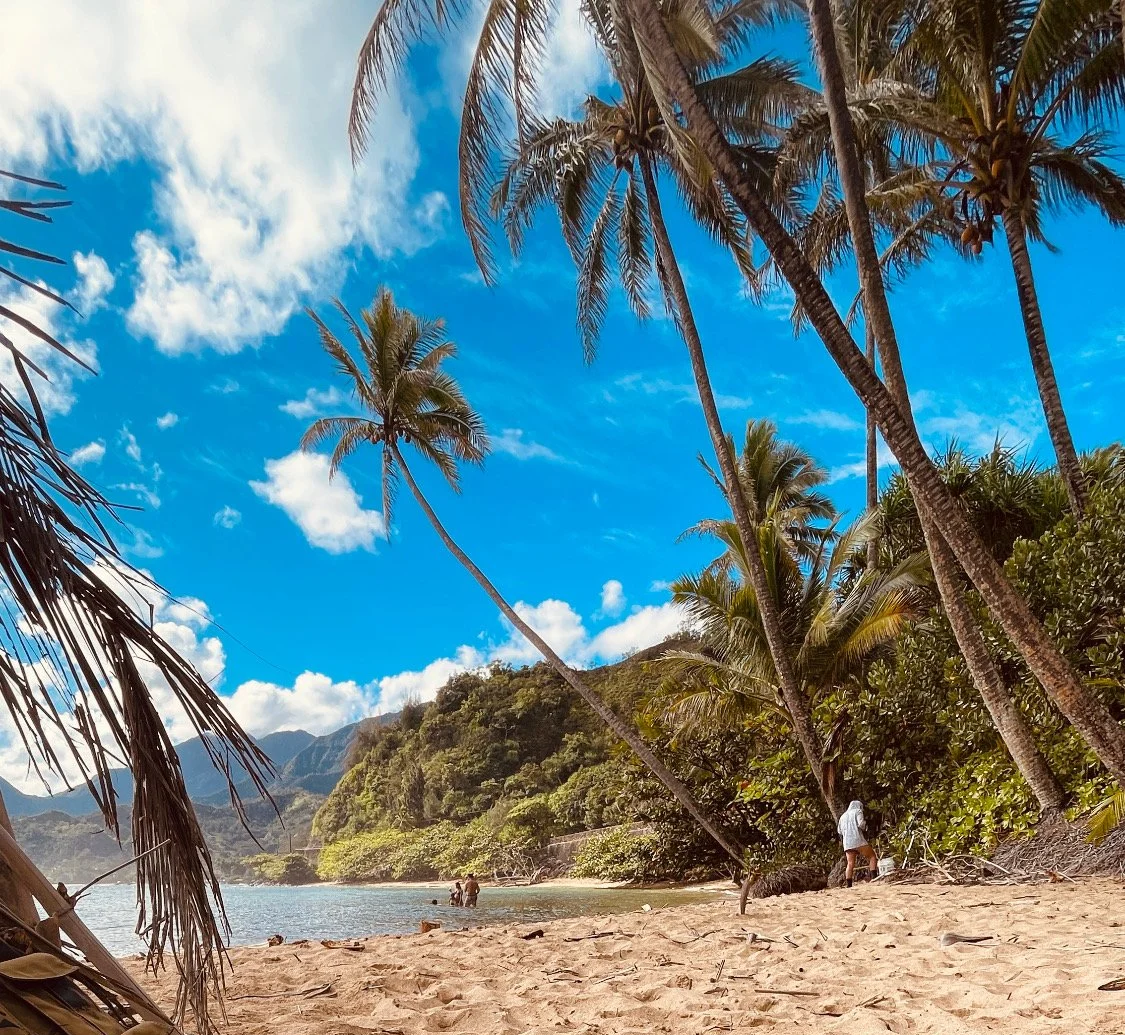
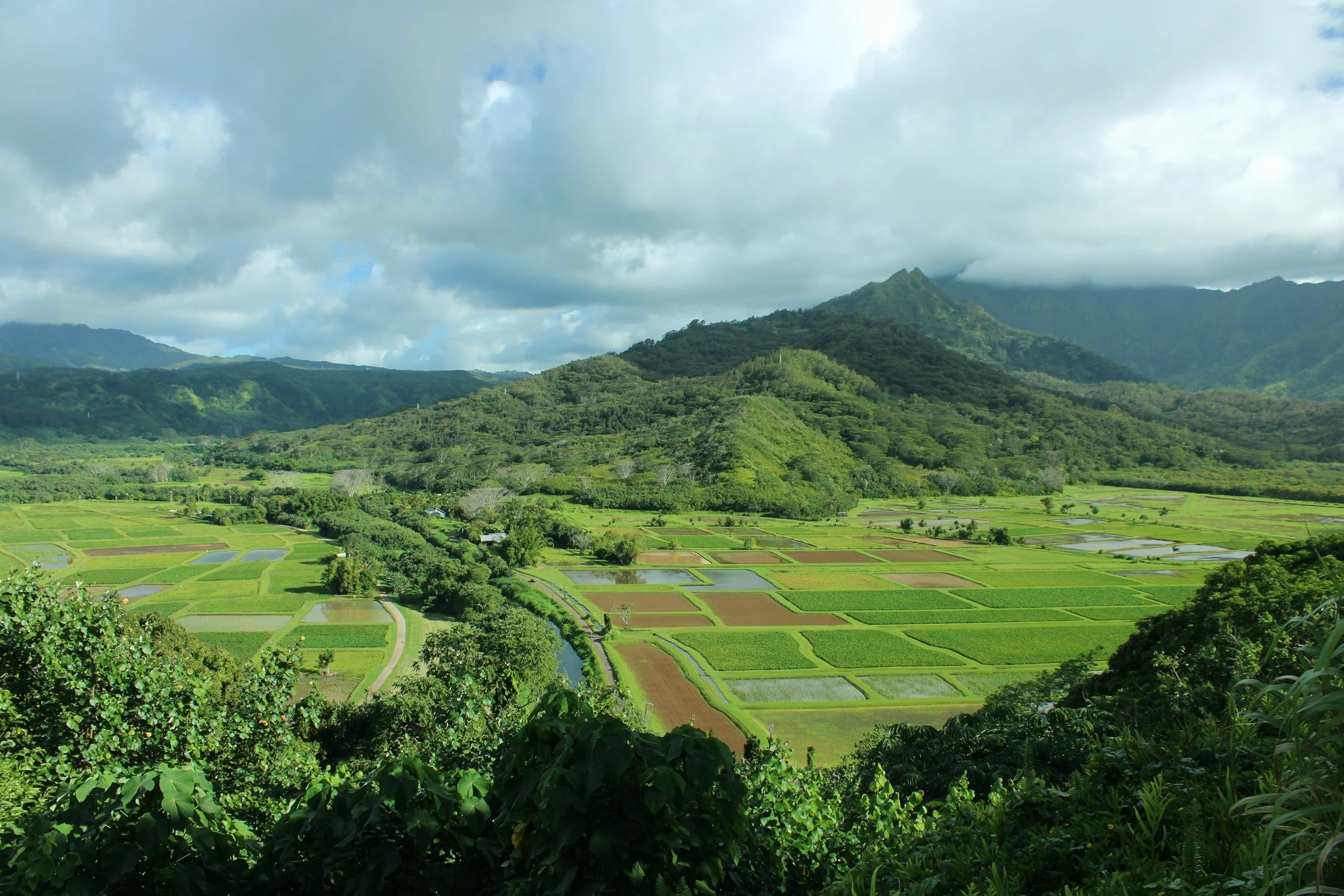
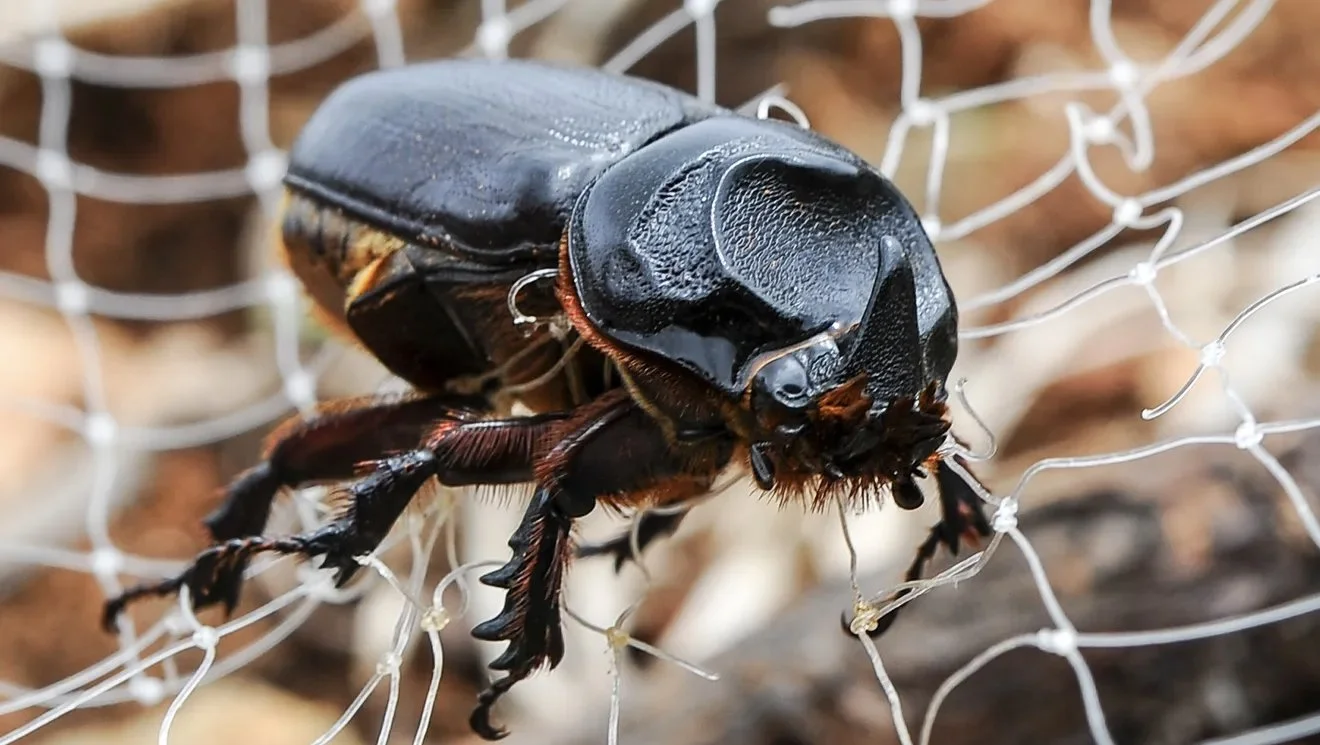
CRB is a major pest of palms in India, the Philippines, Palau, Fiji, Wallis, Nukunono, American and Western Samoa and Guam. CRBs were first detected in Hawaii in Dec. 2013 at Joint Base Pearl Harbor-Hickam.
The ultimate jeopardy posed by the Coconut Rhinoceros Beetle (CRB) in Hawaiʻi is the potential loss of coconut palms, and the collapse of Hawaii’s palm landscapes and and the cultural, ecological, and economic systems tied to them.
This is a moment of kuleana—a responsibility to care for what cares for us. When a threat arrives on our shores, our response reflects who we are as a people.
By learning, reporting, planting wisely, and caring for our palms together, we honor:
Our kūpuna and their knowledge
Our keiki and their future
Our shared kuleana to protect this place
Kaua’i Then and Now
Then:
On May 31, 2023, a survey crew from the Kaua’i Invasive Species Committee (KISC) found a live beetle in one of the traps near the green waste transfer station. On June 2, survey crews found a dead CRB in another trap nearby.
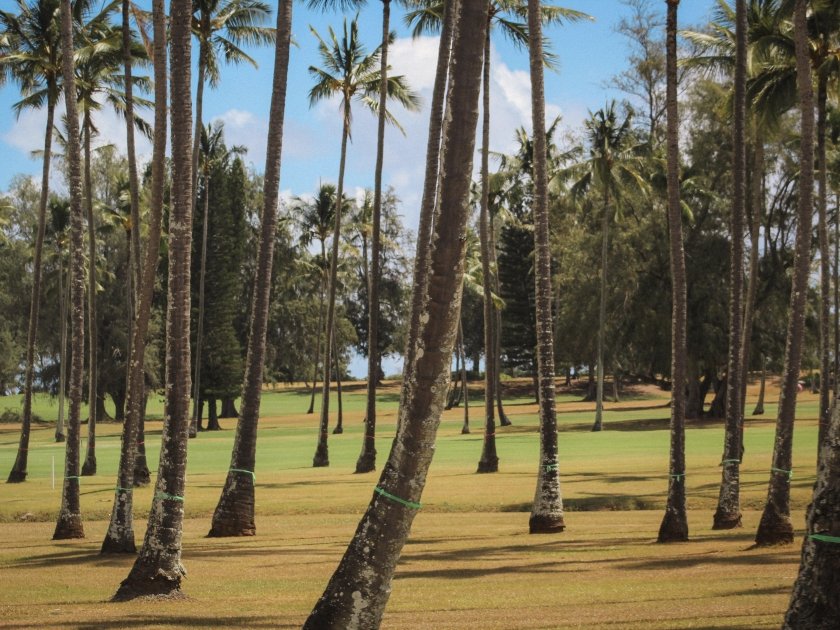
Wailua golf course, before.
Now:
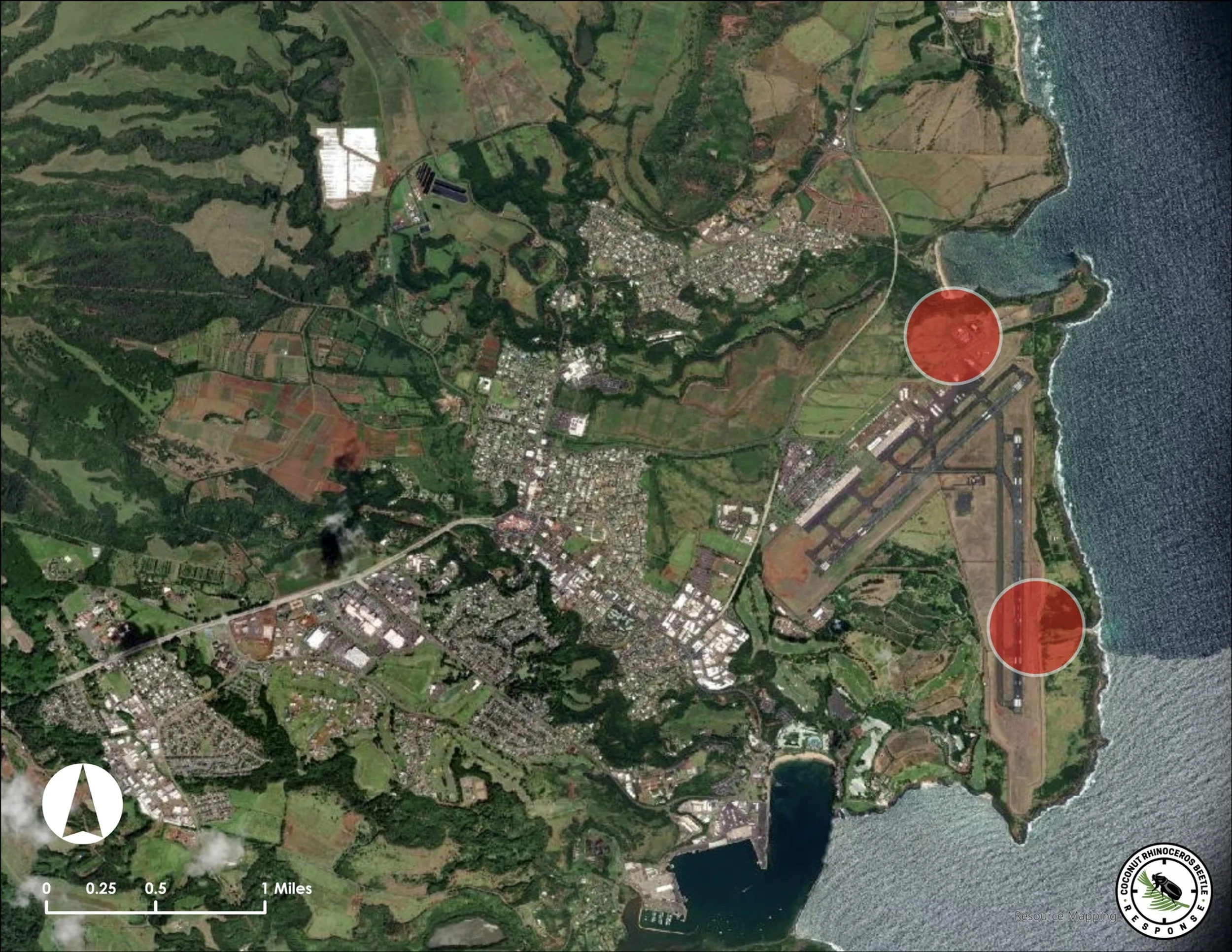
Map provided by Kaua’i Invasive Species
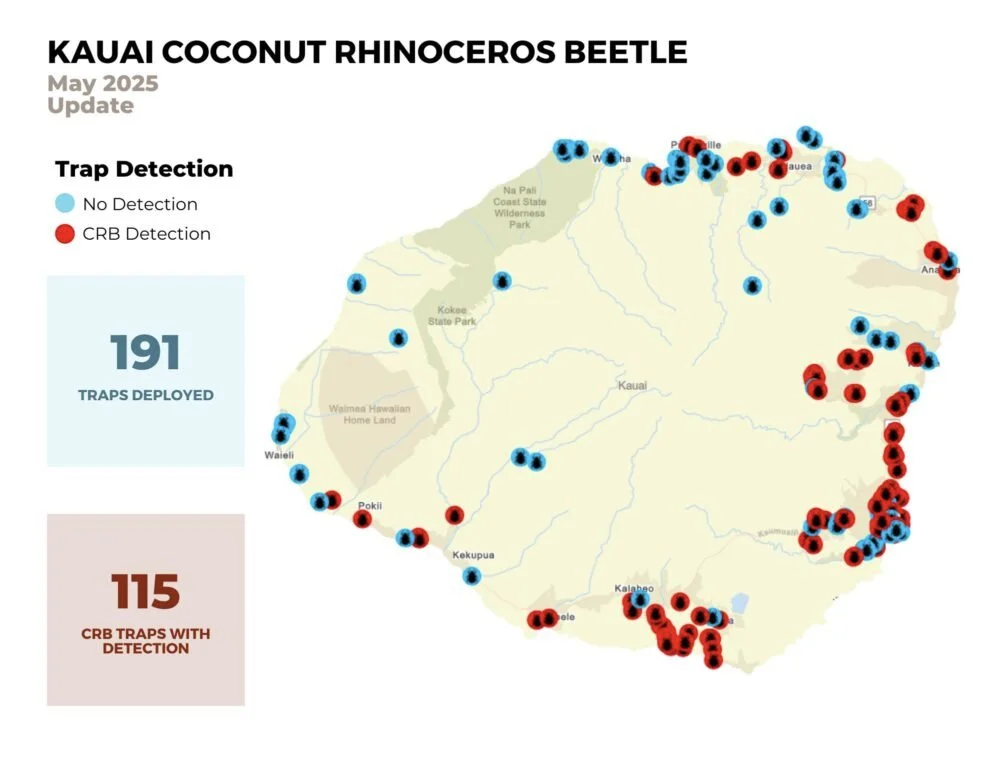
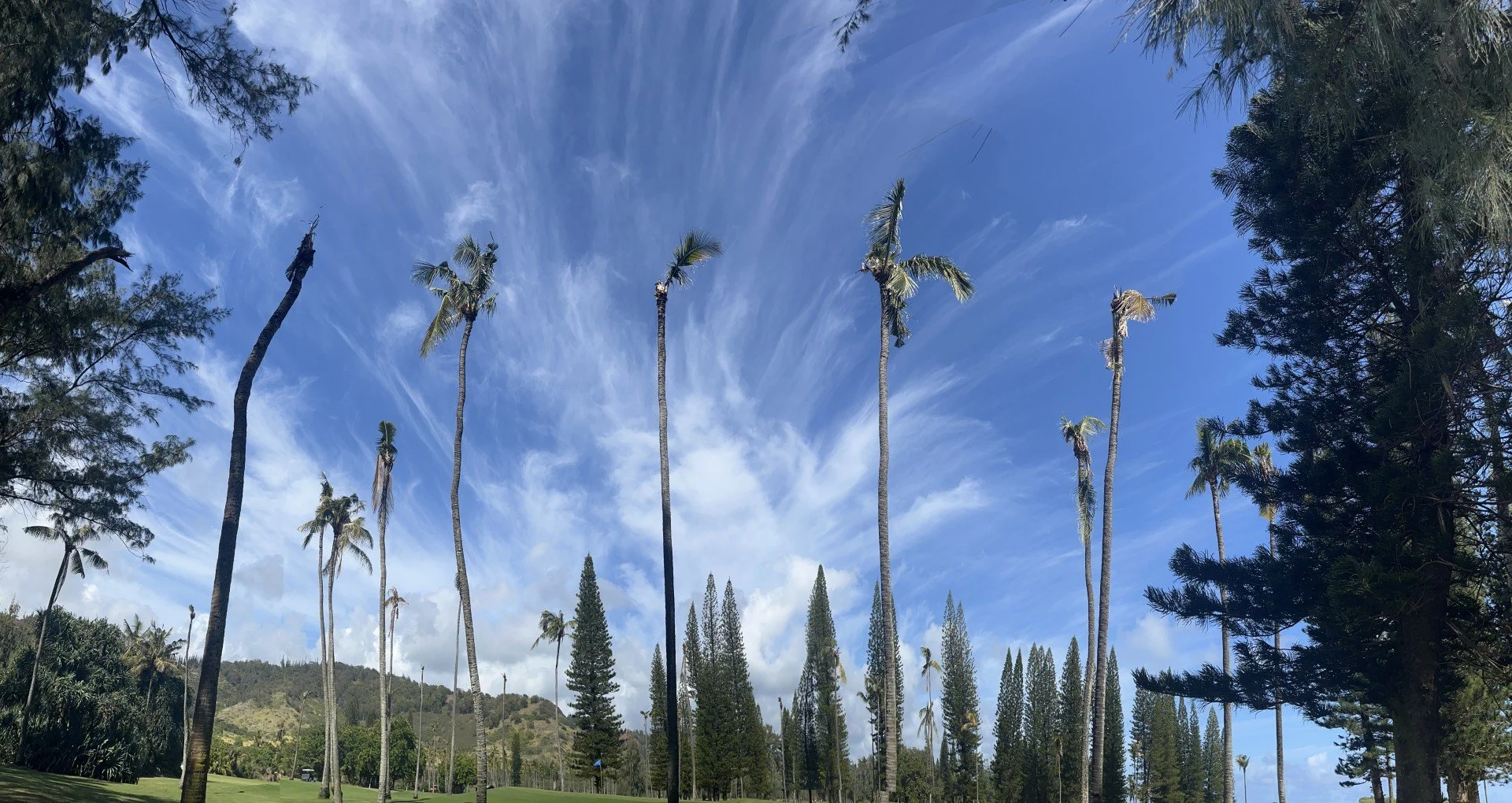
Note: There is no up-to-date data map available yet.Photo by KauaiForward.com, Wailua golf course now; dead and dying palms.
Now: CRB have been observed in multiple areas across the island from Kekaha to Hanalei with concentrations in many areas including Poʻipū, Wailua Homesteads, Aliomanu, Moloa'a.
It is safe to say: Once CRB spreads island-wide, eradication becomes nearly impossible, thus shifting Kaua’i into permanent damage-control mode until such time as an effective bio-control has been released in Hawaii. Because Kaua’i's CRB situation is perceived as irreversible, Federal Funding is no longer available for Kaua’i for CRB eradication, and Kaua’i Invasive Species Council is no longer receiving funds to address CRB.
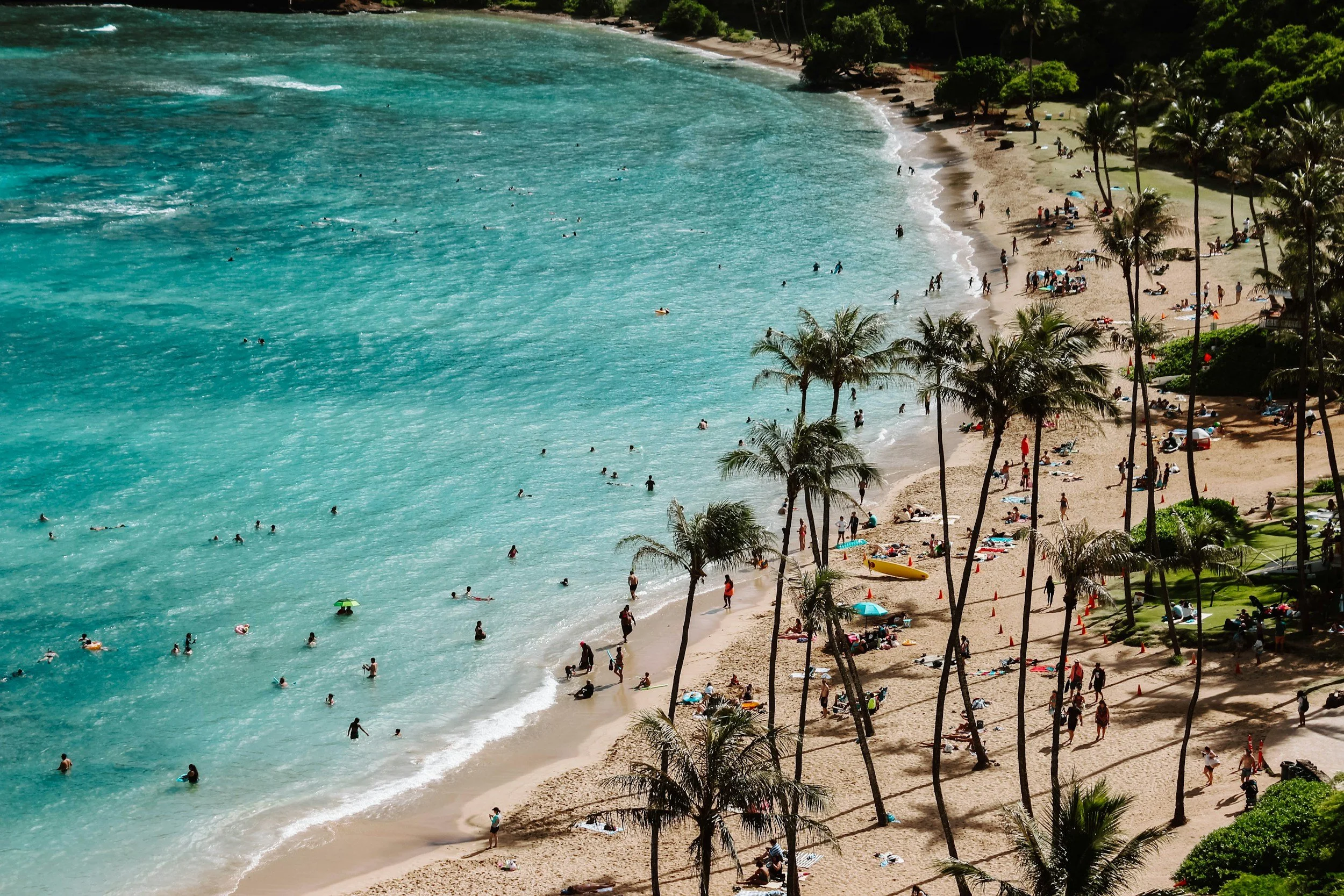
A Look At O’ahu
Oahu is considered infested island-wide for CRB. (CRB Hawaii+2CRB Hawaii+2). Because CRB is already well-established on Oahu, residents are not required to report individual finds.
Oahu’s legendary north shore has a significant amount of palm tree damage across a wide range of species as a result of CRB. These photos taken in August of 2025, represent a fraction of the many trees witnessed to be impacted by CRB between Haleʻiwa Beach and Kawela Bay. Additional areas on Oahu have been impacted as well including Waimanalo and other windward locations.
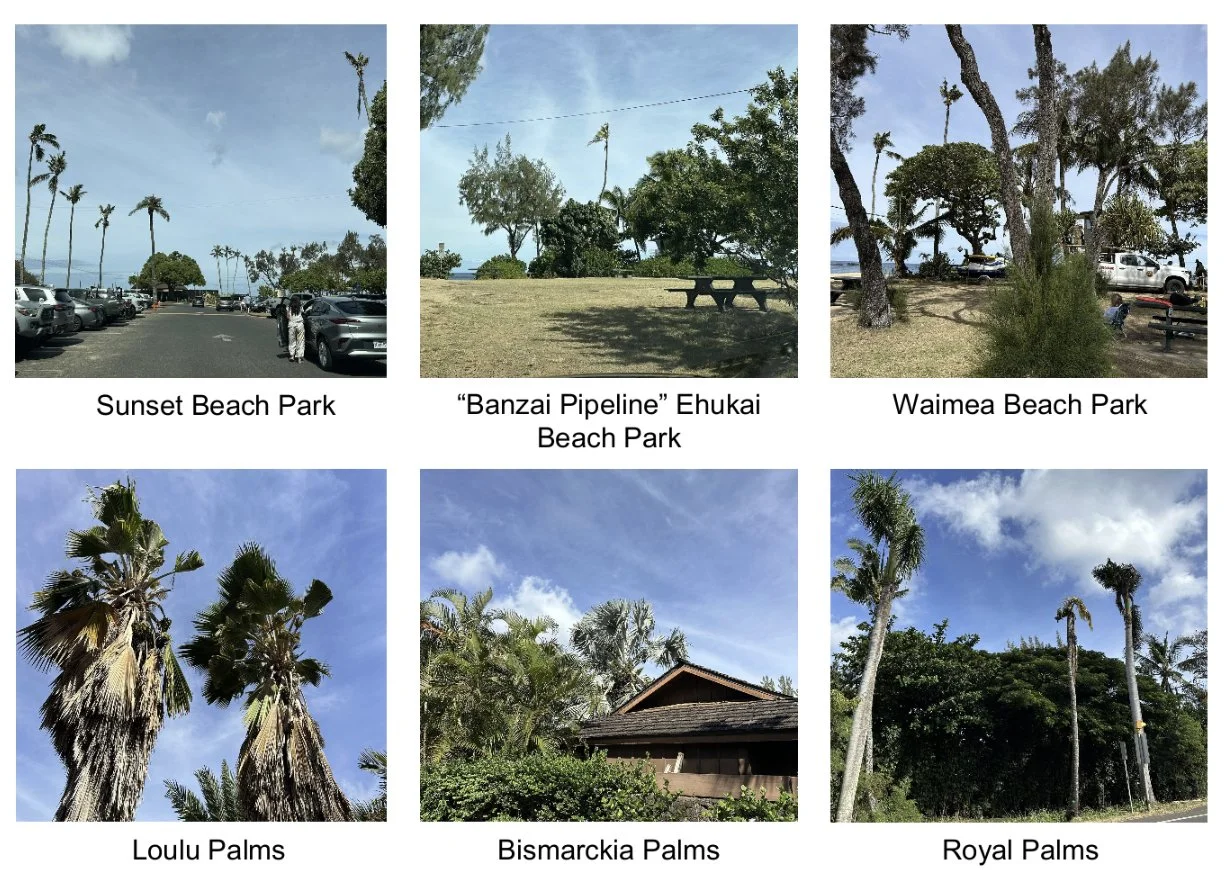
Photos by Justin Havlick
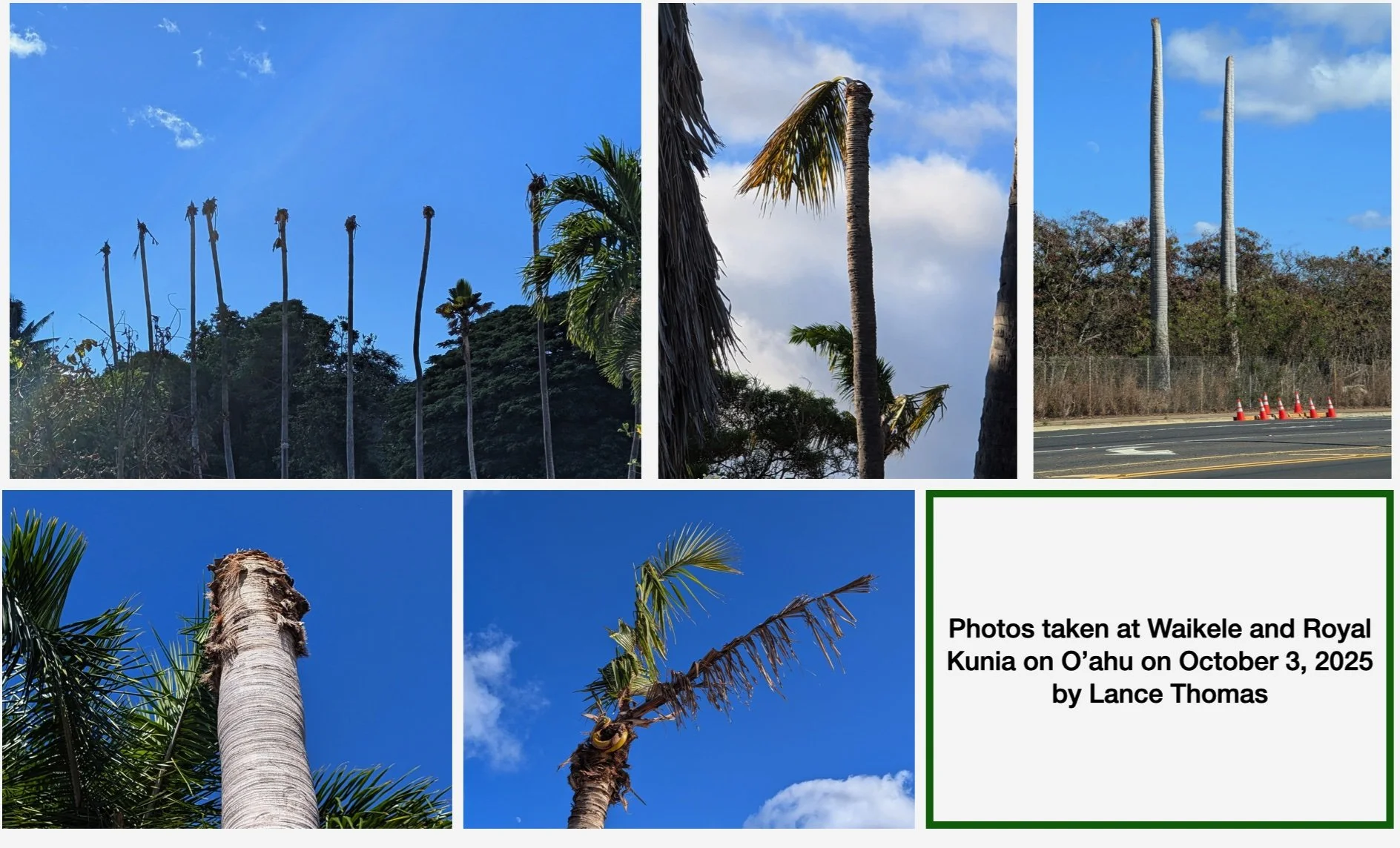
Photos by Lance Thomas
Palms and Plants at Risk
The ultimate jeopardy posed by CRB in Hawaiʻi is the potential loss of coconut palms, as well as the endemic Loulu palms (Pritchardis app.) found nowhere else in the world, and the collapse of Hawaii’s palm landscapes and and the cultural, ecological, and economic systems tied to them.
CRB Primary Food Sources:
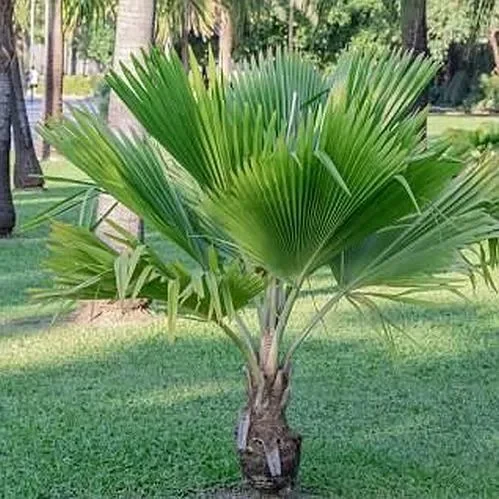
Loulu Palms
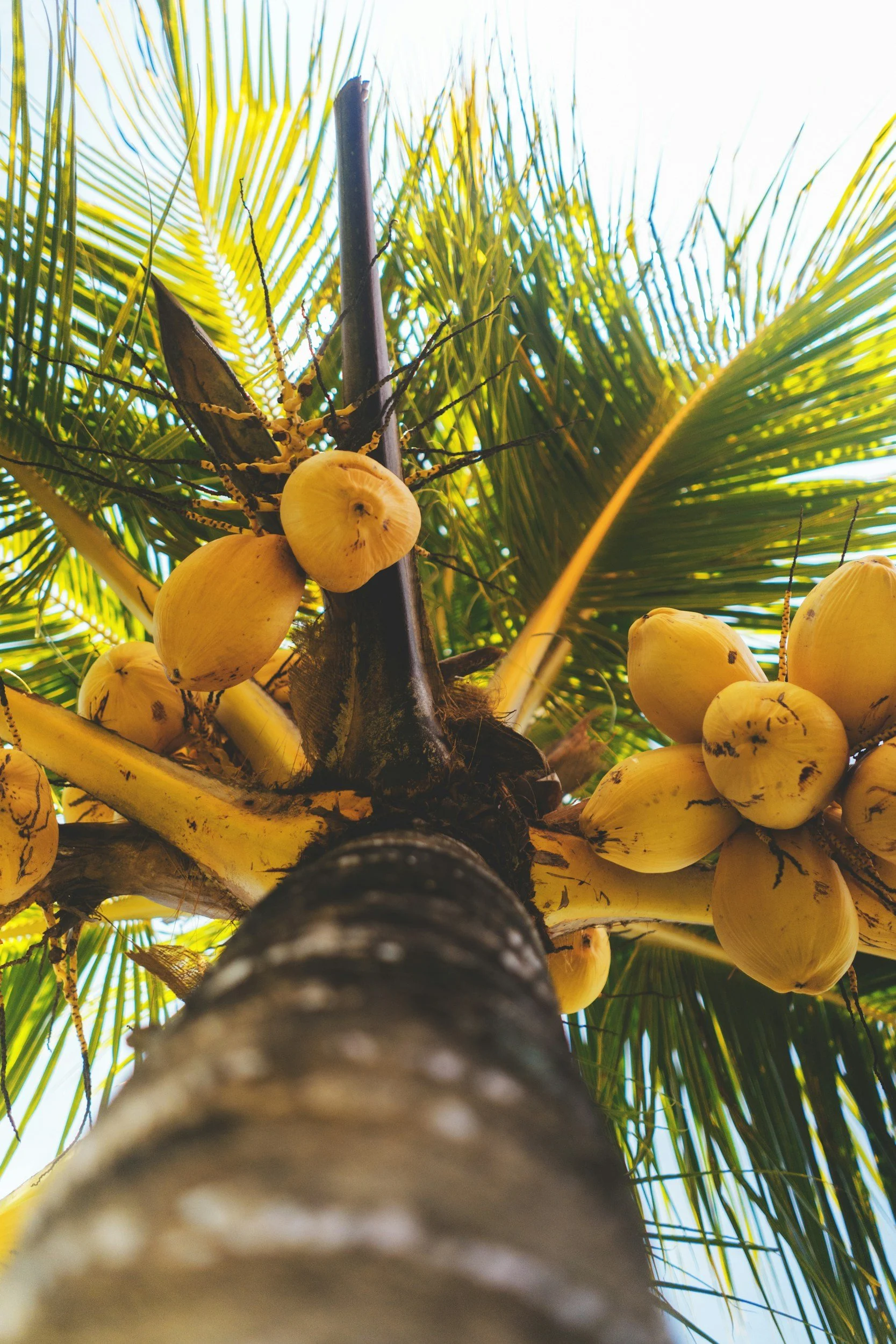
Coconut Palms
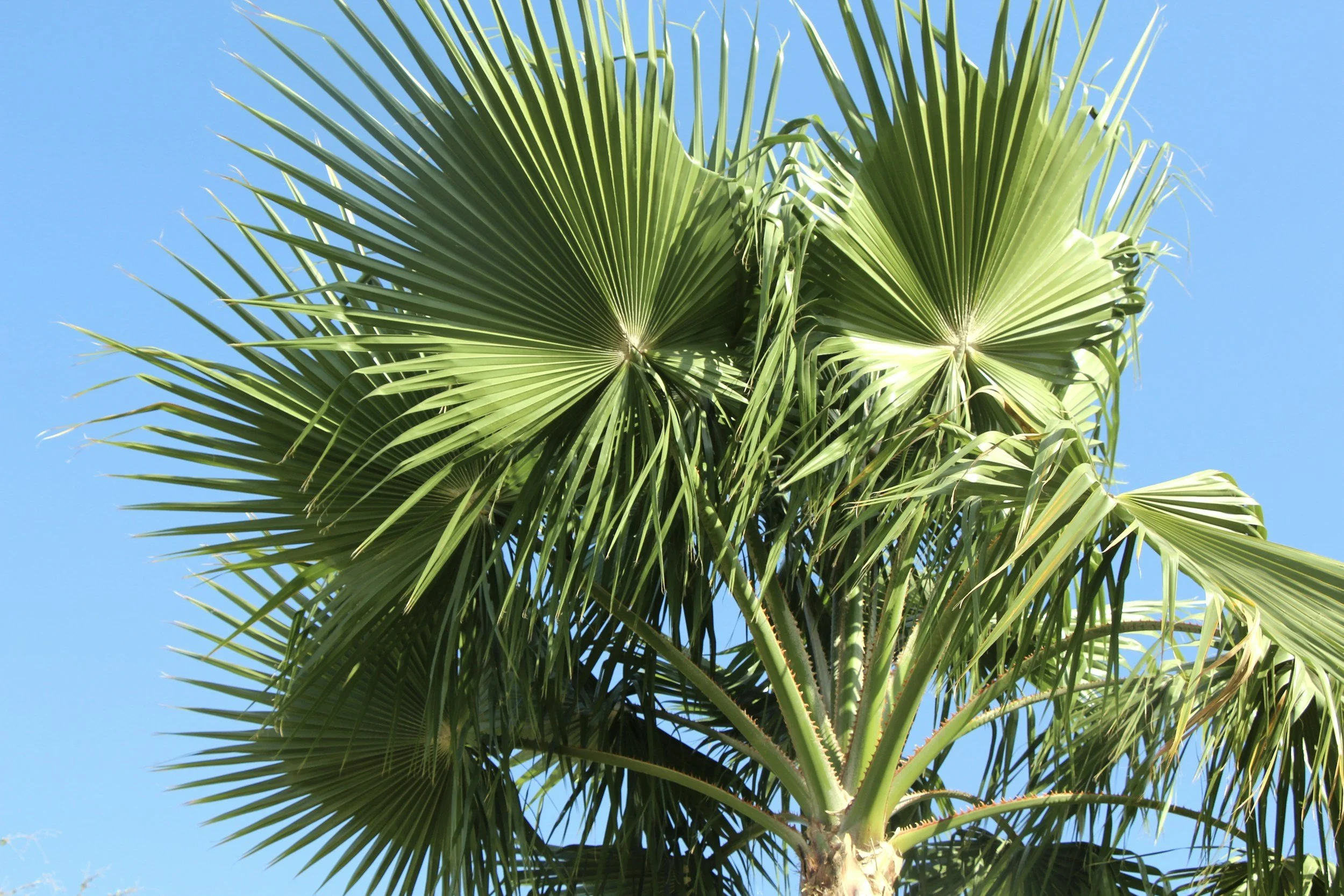
Fan Palms
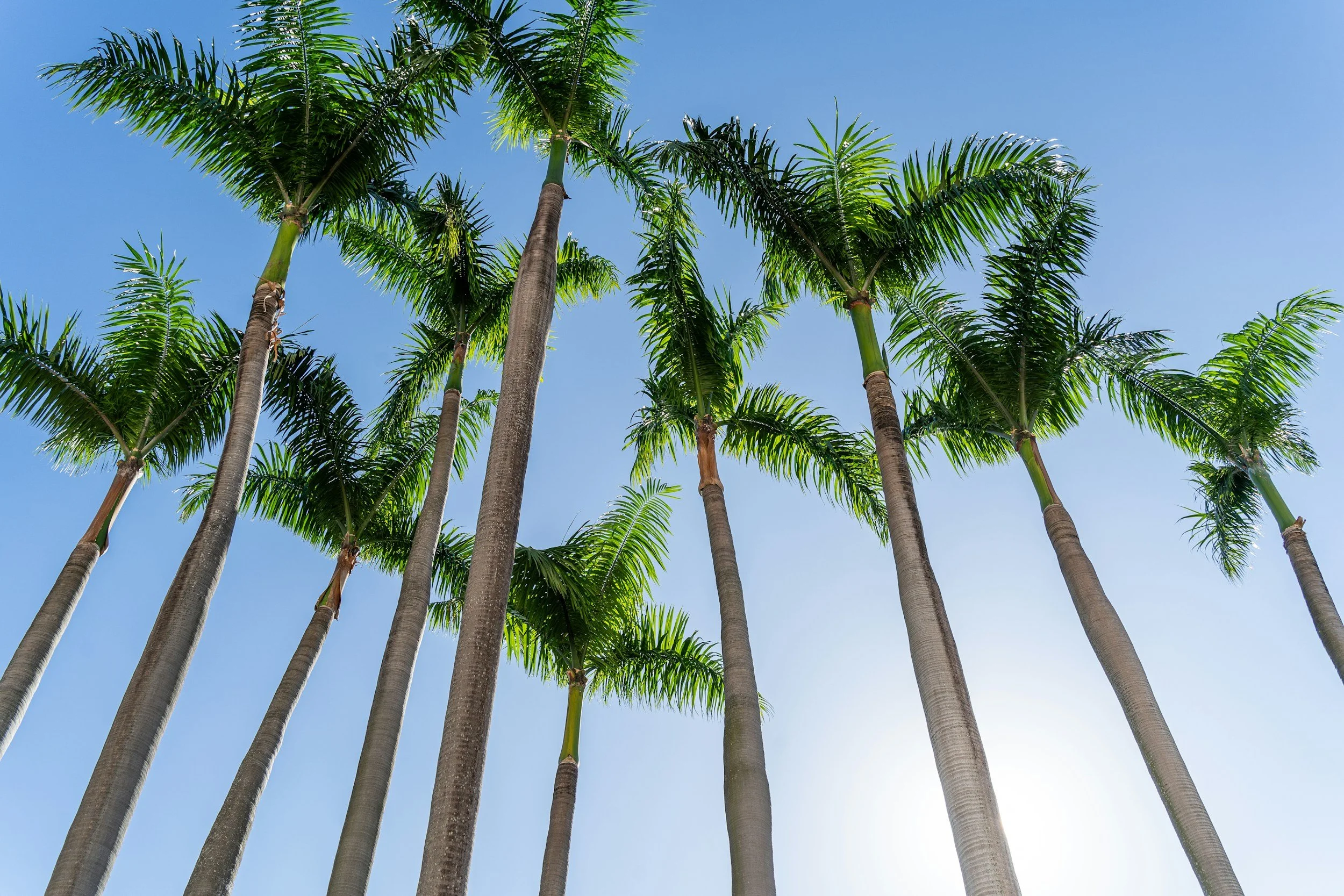
Royal Palms
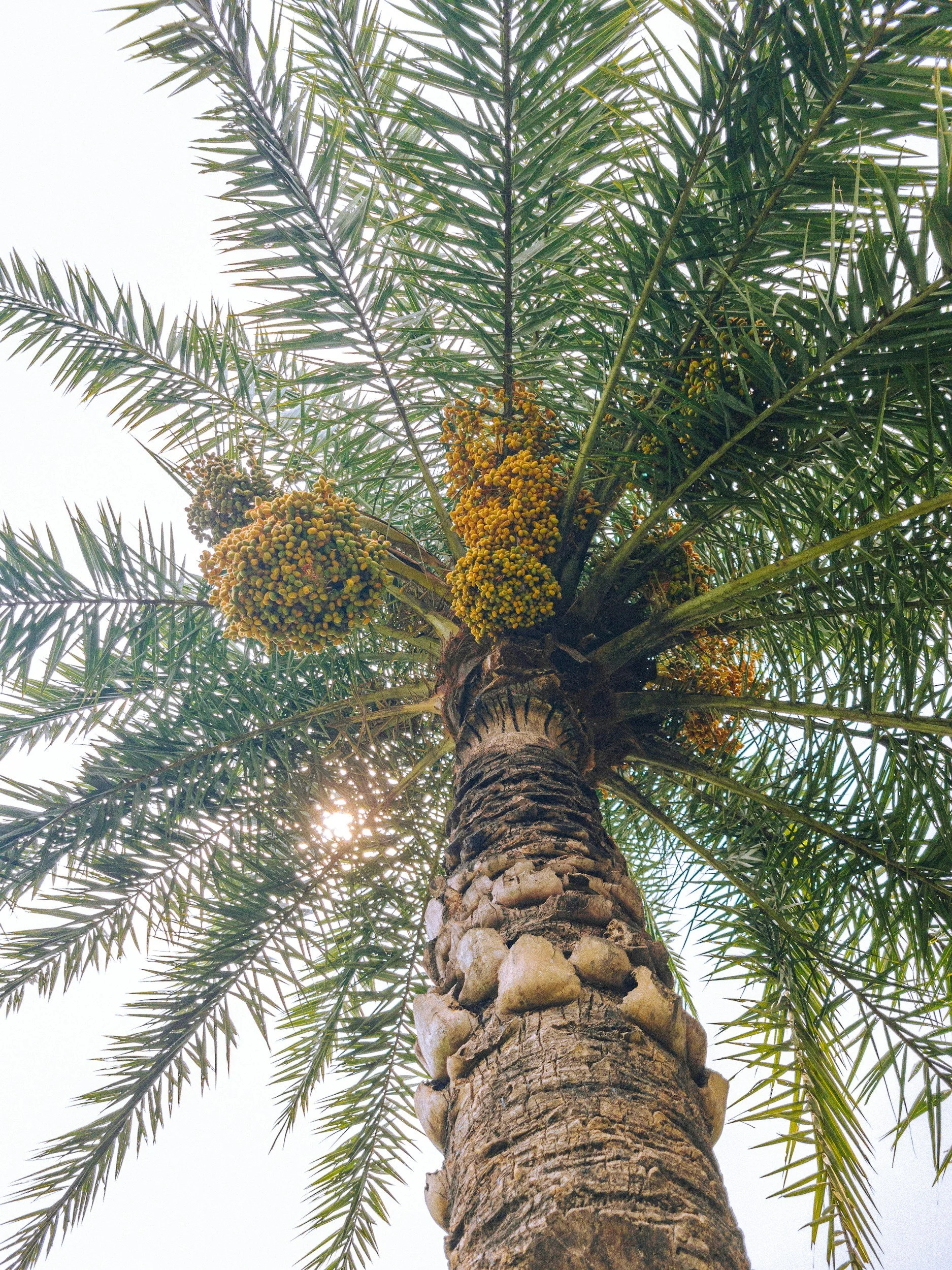
Date Palms
CRB Secondary Food Sources
CRB are not host-specific; if their primary food sources are unavailable, they feed on other palms and other agriculturally and culturally important plants.
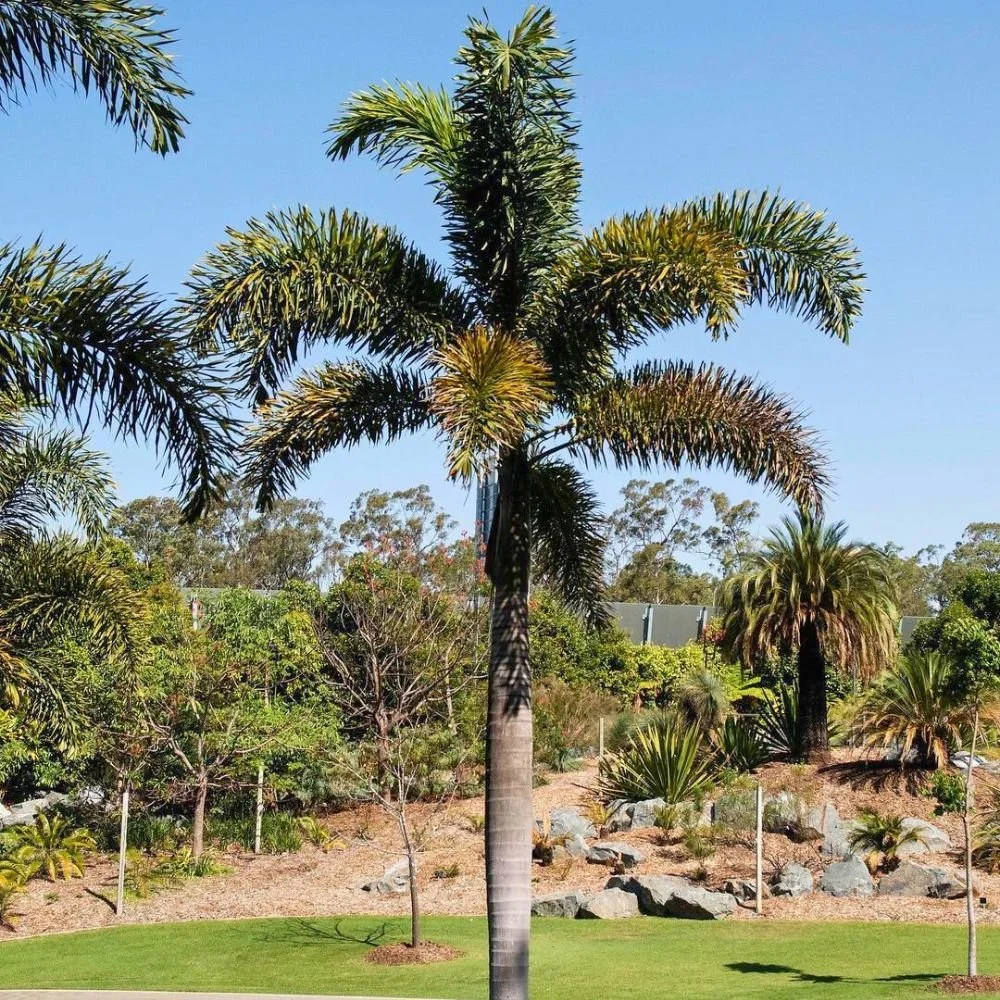
Foxtail Palms
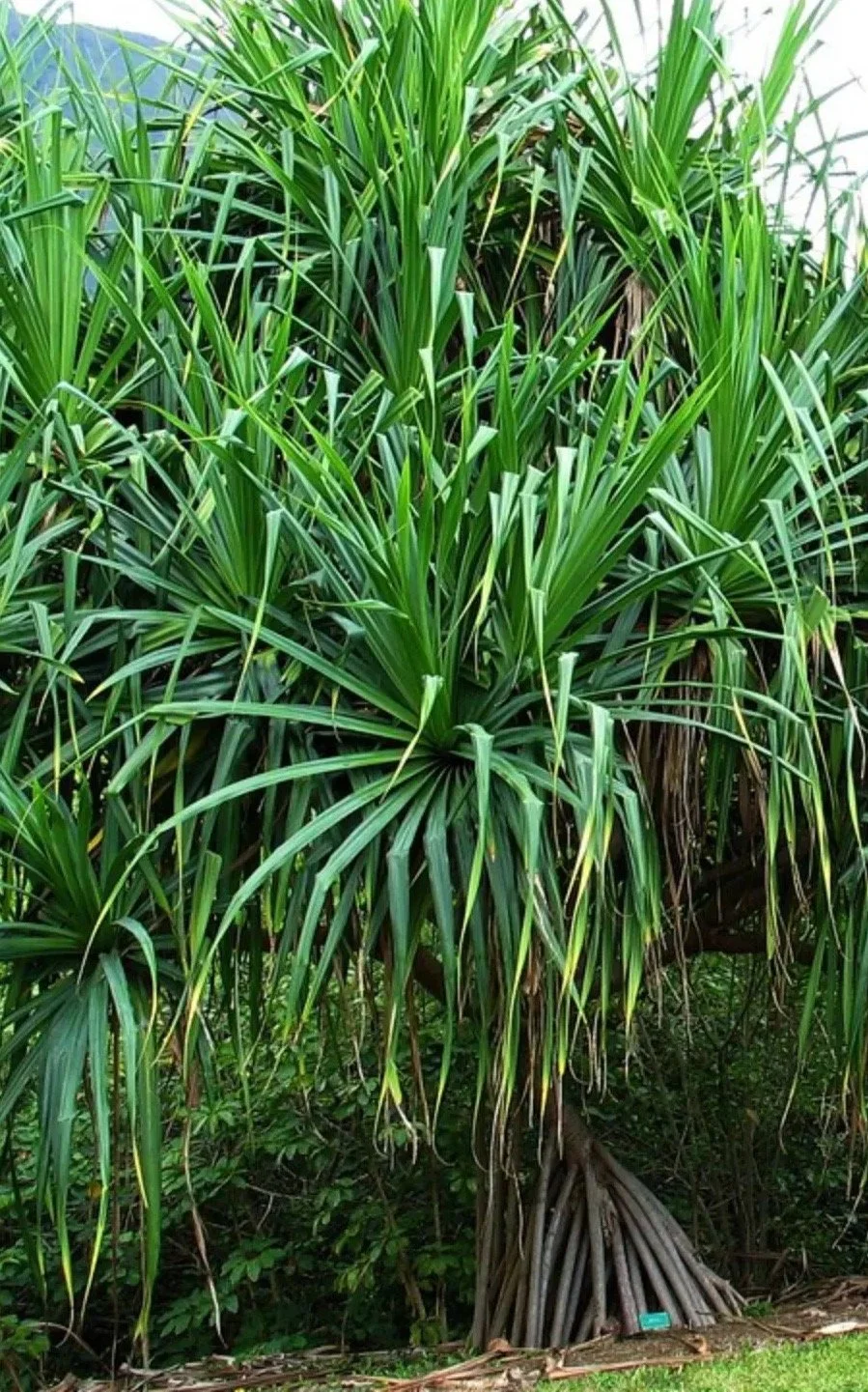
Hala
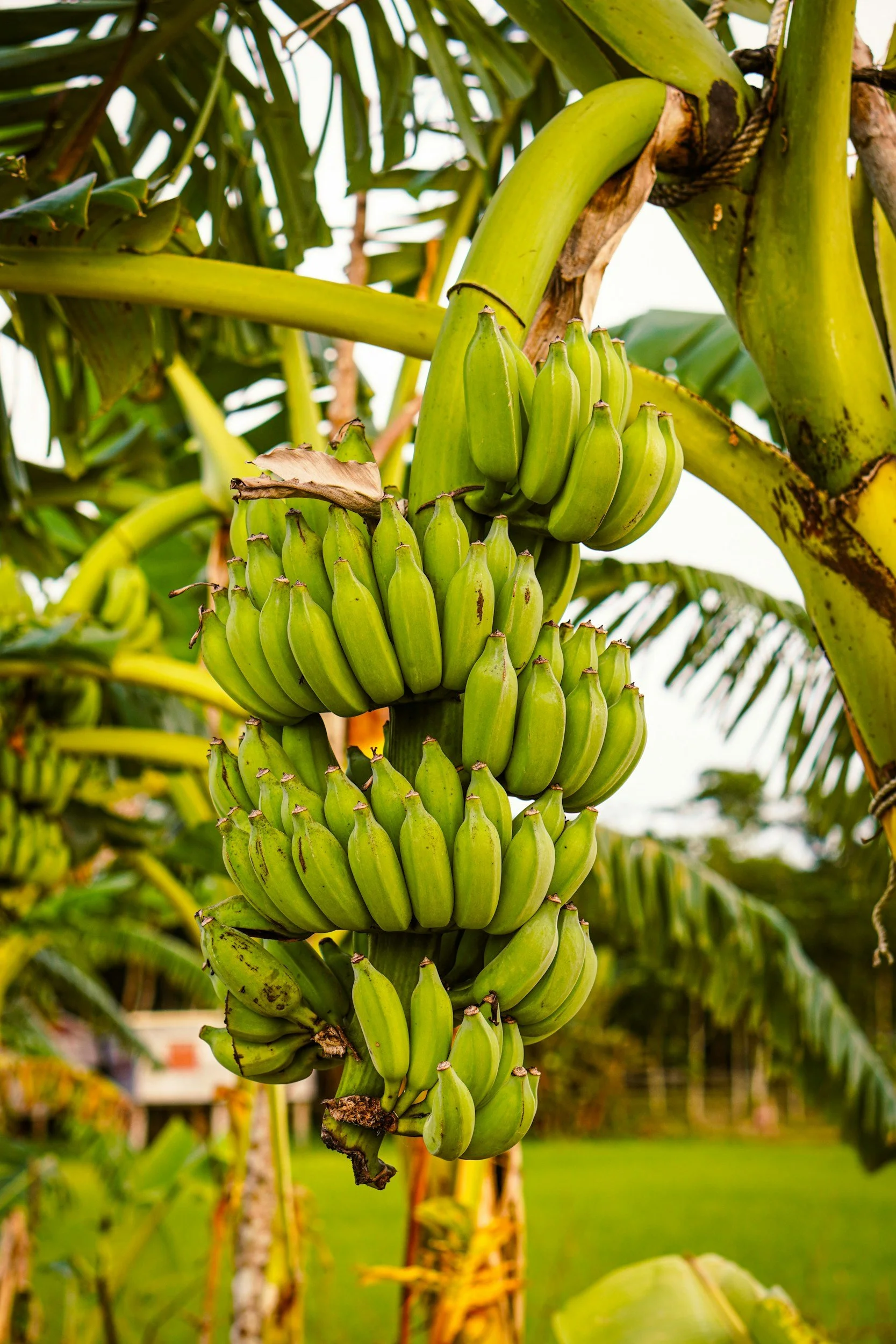
Banana
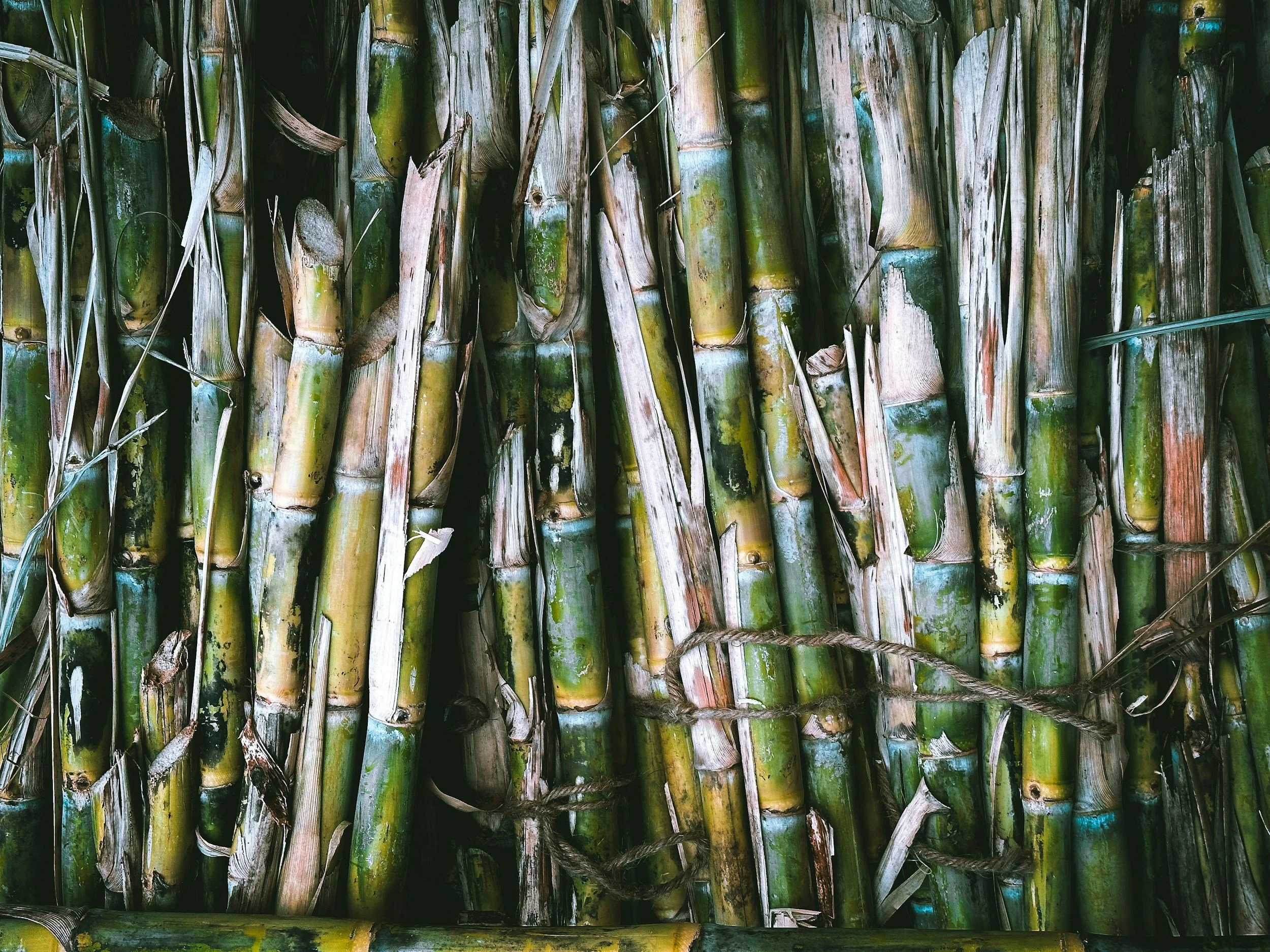
Sugarcane
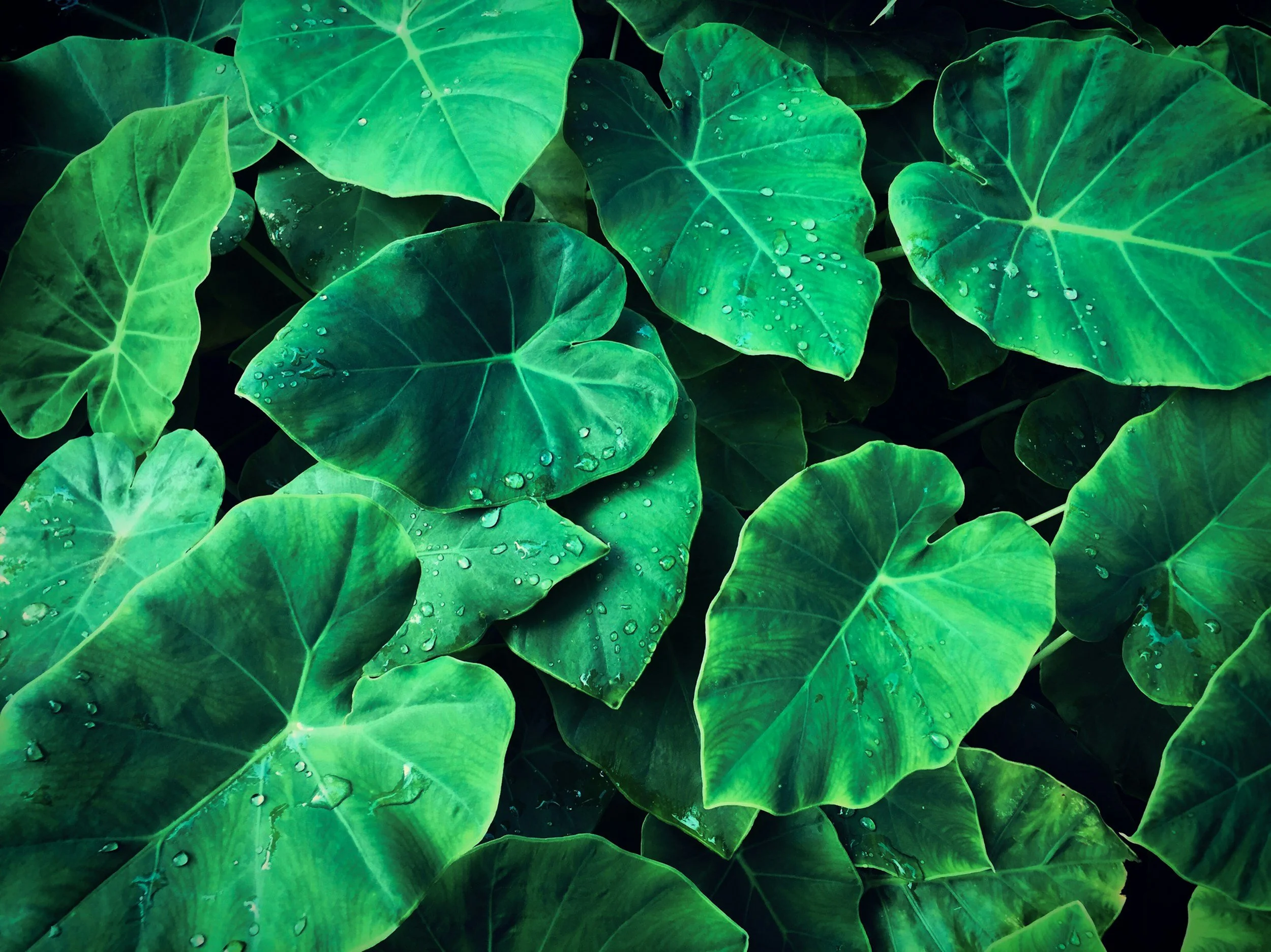
Kalo (Taro)
Cultural Heritage
In Hawaiian tradition, Coconut (Niu) is considered a kinolau (earthly form) of Kū, one of the major ancestral gods associated with subsistence, prosperity, agriculture, and protection.
Niu symbolizes:
Aloha ʻāina (love and responsibility for the land)
Resilience & resourcefulness
Abundance & protection
Ancestral connection and identity
A moʻolelo (origin story) tells that the first coconut tree grew from the head of a revered ancestor buried in the earth — making niu a living reminder of genealogy, continuity, and life renewing itself.
— https://commons.wikimedia.org/wiki/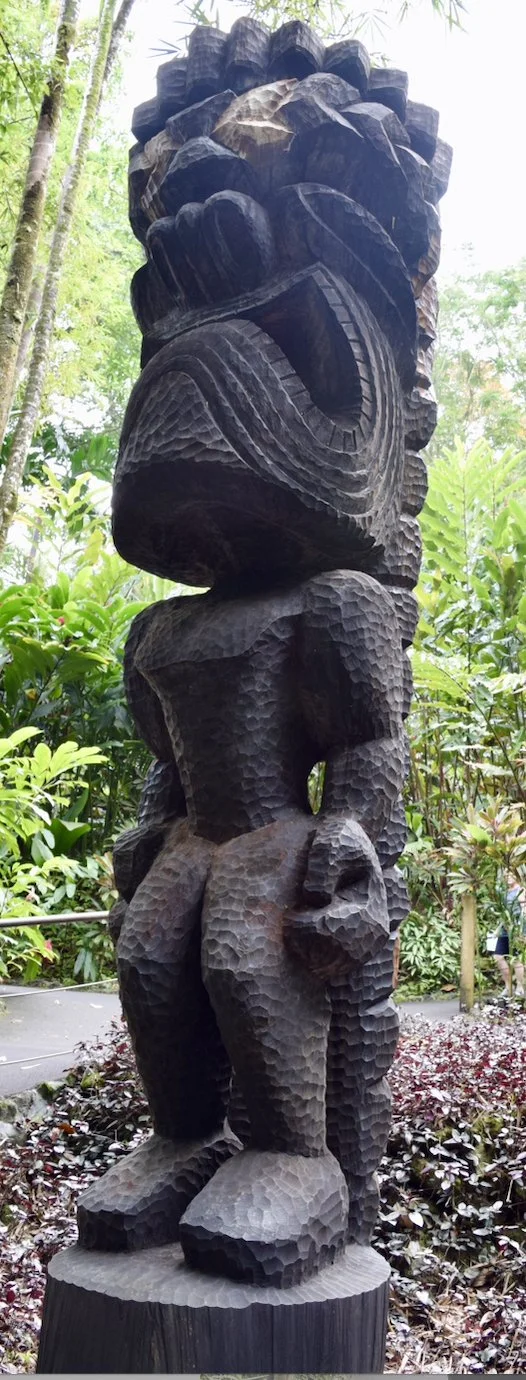
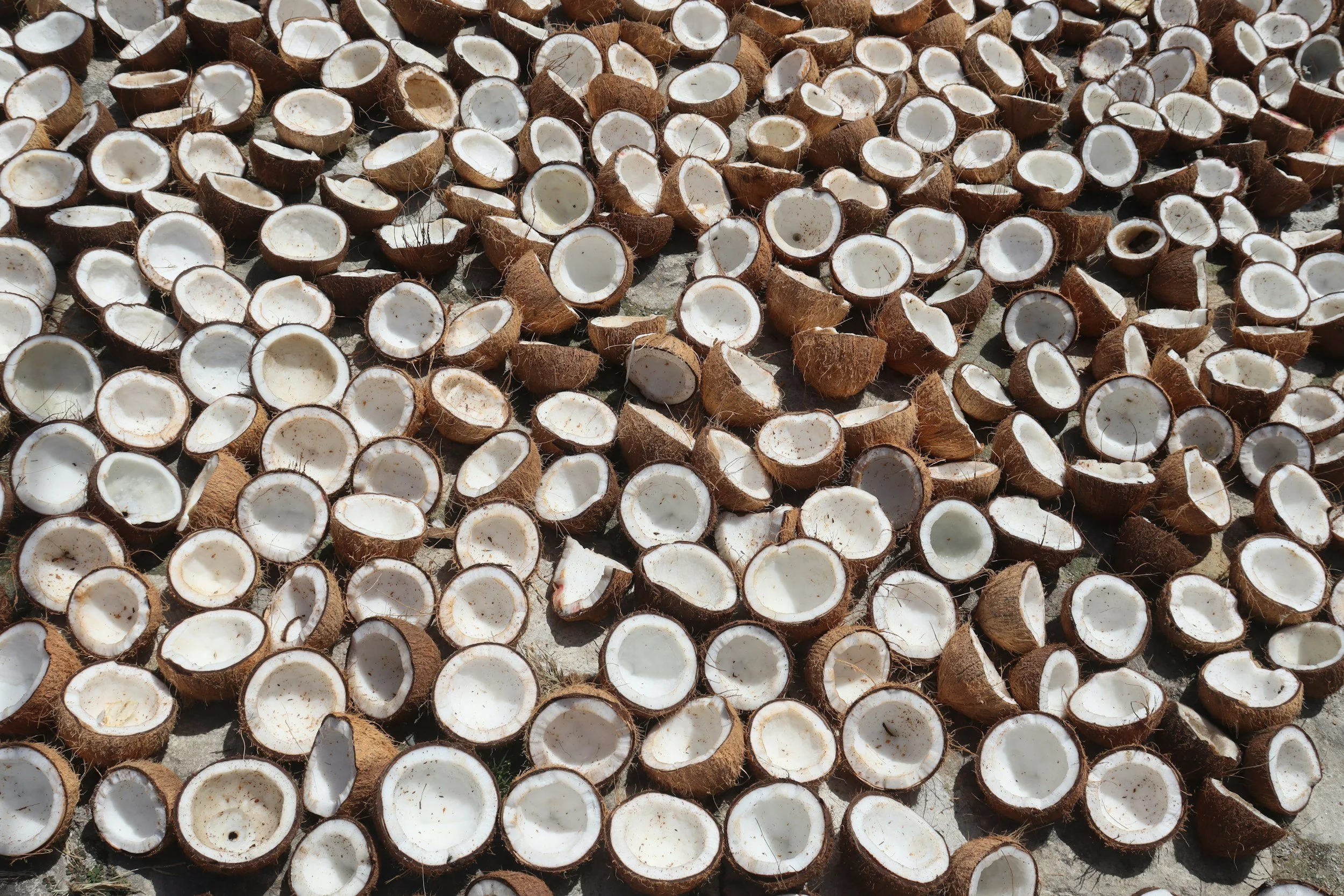
Food & Local Sustainability
Nutrition & Energy
Coconut (niu) is one of Hawaii’s strongest food-security crops.
Provides meat, water, milk, and oil—key calories, fats, and hydration.
Frequency & Sustainability
A mature palm yields 50–200 nuts per year, producing food year-round with no irrigation or fertilizer.
Versatile
Thrives in heat, salt, drought, and wind, making it a core resilience crop.
Self-Sufficient & Local
If imports were disrupted, niu would become a vital staple.
CRB also threatens secondary food crops such as taro (kalo) and banana, further increasing food-security risks.
Tourism & Island Economy
“Coconut rhinoceros beetle is a serious threat to our island’s natural resources and local economy.”
—Nalani Brun, Kaua’i County Office of Economic Development Director
Loss of Kaua’i’s Iconic Landscape
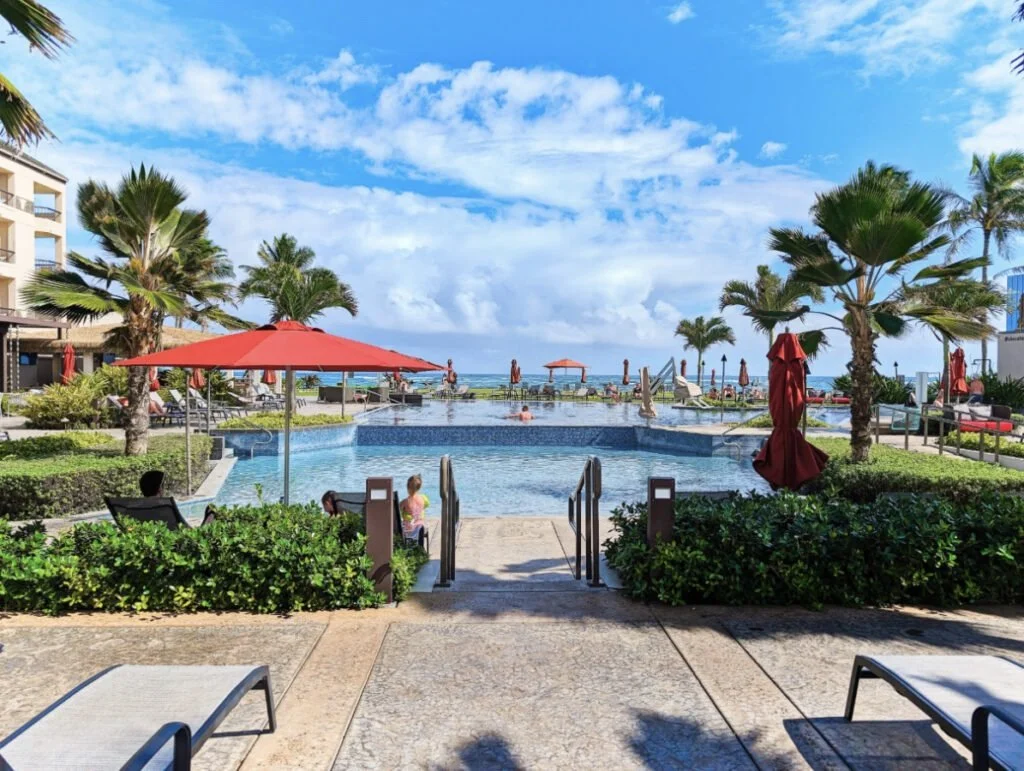
Coconut palms shape beaches, resorts, parks, and iconic island views that visitors expect.
CRB-driven palm loss would mean bare coastlines, dying palms at hotels, and a weakened “tropical paradise” image.
Visitor Appeal &
Trip Decisions
Reduced scenery quality can lower visitor spending, bookings, and wedding/photography revenue.
High Resort &
Community Costs
Resorts, parks, airports, and golf courses would face high costs for removal, replacement, and pest management.
Overall Economy
These impacts strain tourism-dependent businesses and the island’s overall economy.
Neighborhoods & Property Values
Neighborhood & Property Values
CRB-driven palm loss changes the look and feel of Kaua’i’s neighborhoods.
Reduced shade and dying palms lower curb appeal and create barren, heat-exposed streets and parks.
Dead or damaged palms bring high removal and replacement costs.
Declining landscapes can reduce property values and harm neighborhood reputation.
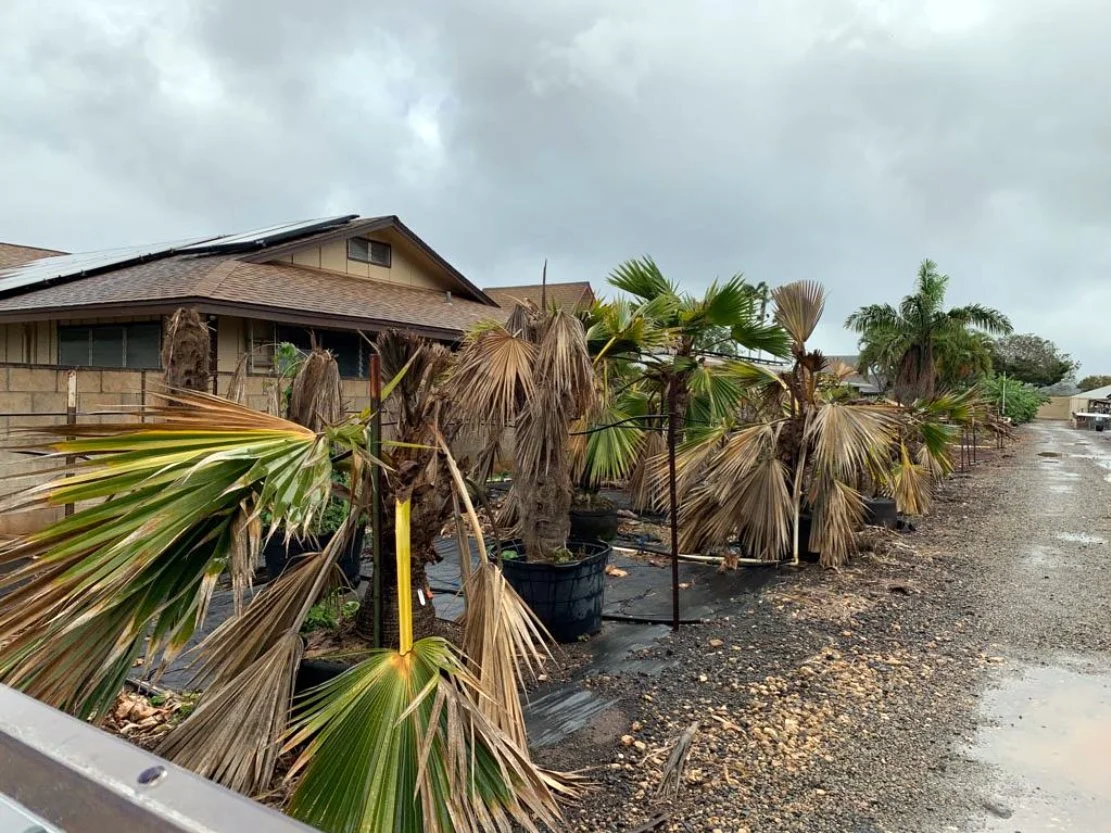
Photo by LICH, Loulu palm damaged by CRB, OahuCommunity Pride & Quality of Life
Palm loss affects not only property economics but also:
Community pride and identity
A sense of mālama ʻāina (care for place)
Enjoyment of shared outdoor spaces
Views and atmosphere that make Kauaʻi feel like Kauaʻi
Residents, kūpuna, children, and visitors all experience the emotional and visual impact of losing iconic trees.
CRBs threaten more than palms—they affect the character, safety, and value of Kaua’i’s residential communities. Coconut palms and other landscape palms shape the look and feel of neighborhoods across the island, from coastal roads and parks to private homes and resort districts. If CRB becomes more widespread and palms numbers begin to decline, homeowners and communities may face:
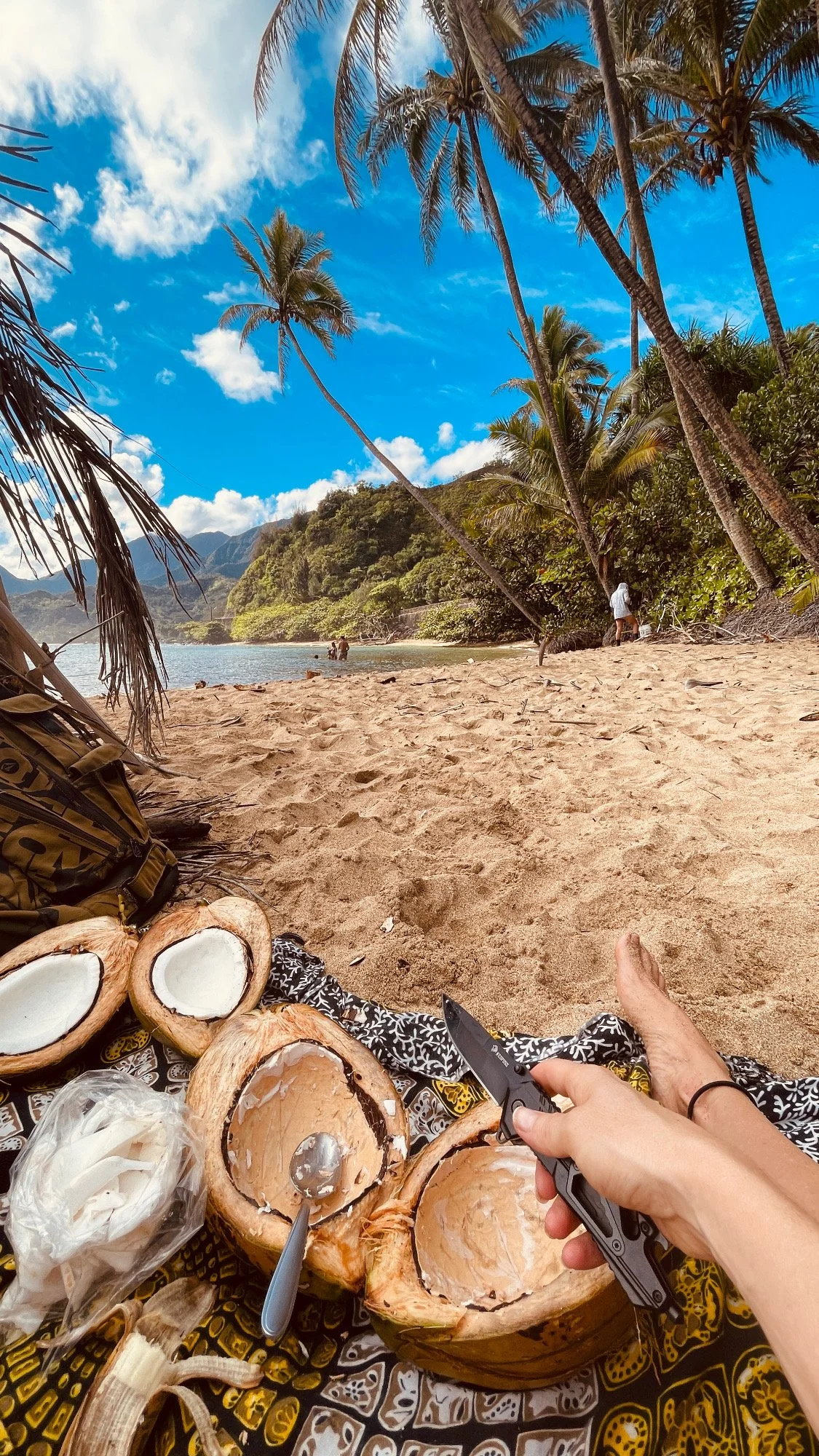
Photo by R.RothCounty & Taxpayer Costs
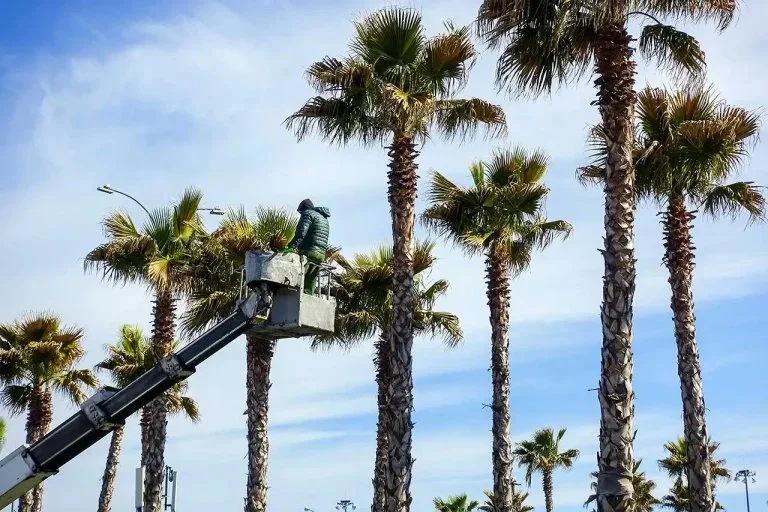
As CRB spreads, counties face rising costs for tree removal, green-waste management, and public-space protection.
Tree Removal & Hazard Management
Dead or hazardous palms in parks and along roads require professional removal, often costing thousands per tree.
Infrastructure
Counties may need expanded green-waste facilities plus increased transport and processing of public green waste — including grinding, composting, and thermal or biological treatment.
These expenses ultimately fall on taxpayers, making early action both environmentally and financially responsible.
Island Environment & Biodiversity
Loss of Ecologically Significant Trees, Coastal Erosion & Habitat Stress
Coconut palms (niu) support shade, habitat, soil stability, and coastal protection in many island environments.
CRB-driven palm loss weakens coastal ecosystems, creating hotter, more eroded, and less resilient shorelines.
Palms provide perches for birds, habitat for insects, and structure for agroforestry systems that include breadfruit, banana, and other canoe crops.
Dead palms increase fire risk, storm hazards, and management costs in dry or windy areas.
Large-scale palm decline can permanently change Kaua’i’s environmental character, making landscapes hotter, less stable, and harder to restore.