
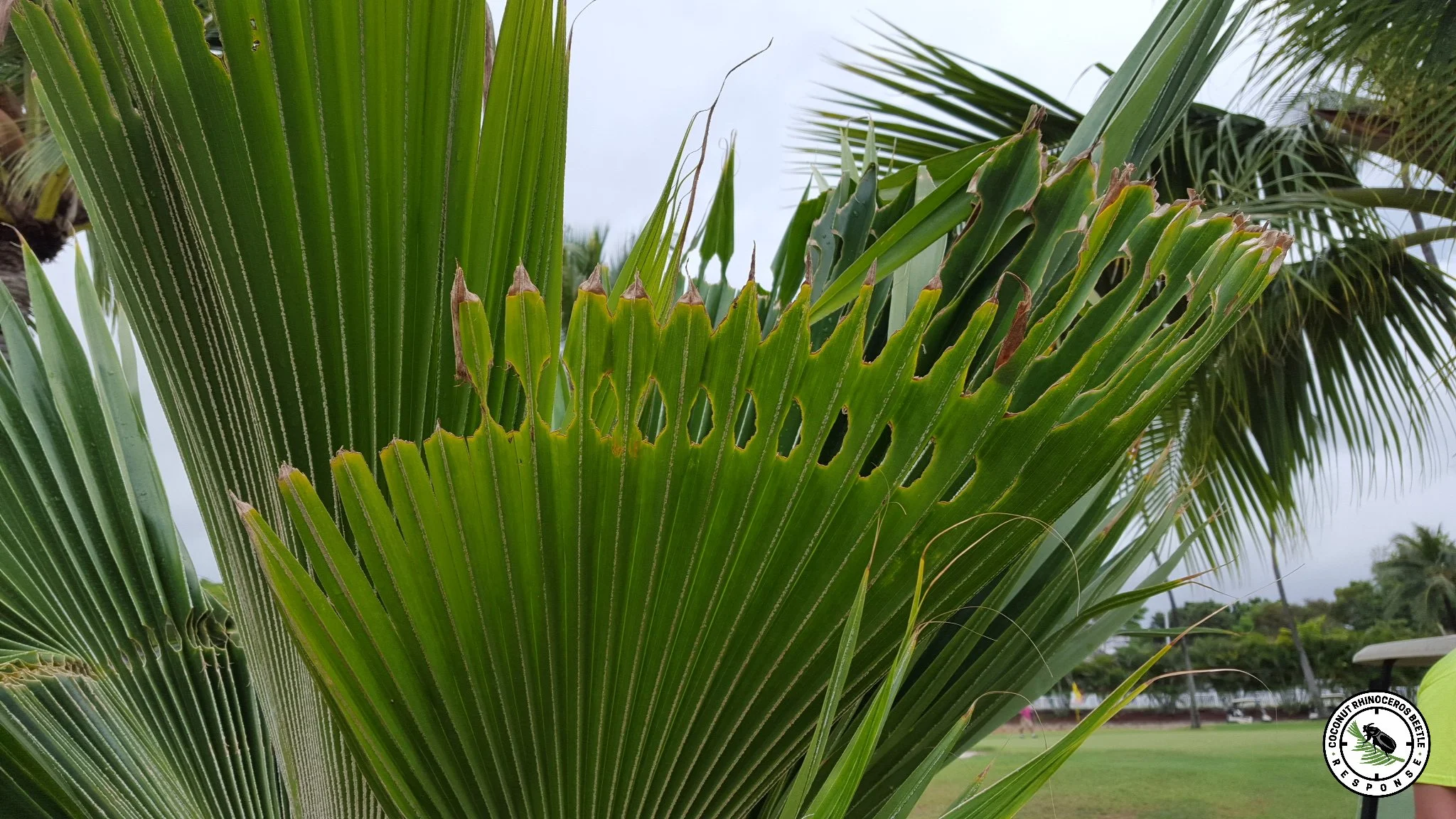
Once Coconut Rhinoceros Beetle (CRB) have entered a palm, the goal shifts from prevention to damage control and recovery. Treatment success depends on how early the infestation is caught and how much of the growing tip (spear or meristem) remains alive. Once CRB activity or damage is confirmed, quick, informed action can sometimes save a palm.
1
Assess the Damage
Inspect the spear leaf (center shoot): if it’s still firmly attached, the palm may recover.
The Spear
If the spear is gone or rotten, the meristem is likely destroyed — removal is usually necessary.
Frass
Remove loose frass (chewed debris) to expose any larvae or adults hiding inside.
2
Remove Beetles and Larvae
Remove
Physically remove any visible beetles or larvae from the crown or trunk wounds and dispose of infested material properly—never leave debris on-site.
Treat
Treat the area immediately after removal using approved deterrents or biological products.
3
Choose One or More of the Following "Under Attack" Treatment Protocols
Responding to CRB damage is never one-size-fits-all. The type of palm, the extent of injury, nearby habitat, access, weather, and personal values all influence the path forward. CRB Action Kauai provides clear, continuously updated information so people can choose the response actions that make the most sense for their situation. Whatever steps you take, applying them with care helps safeguard our island’s ecosystems, pollinators, and water resources. As conditions change, we’ll keep learning alongside each other, supporting respectful, community-minded action across Kauai.
Apply Natural Treatments
(Botanical & physical deterrents used by some property owners after attack)
Some homeowners and property managers use natural or botanical treatments as part of a post-attack support plan for their coconut palms. These approaches focus on creating unfavorable conditions for adult CRB inside the crown while supporting palm health and encouraging recovery.
Effectiveness in Practice
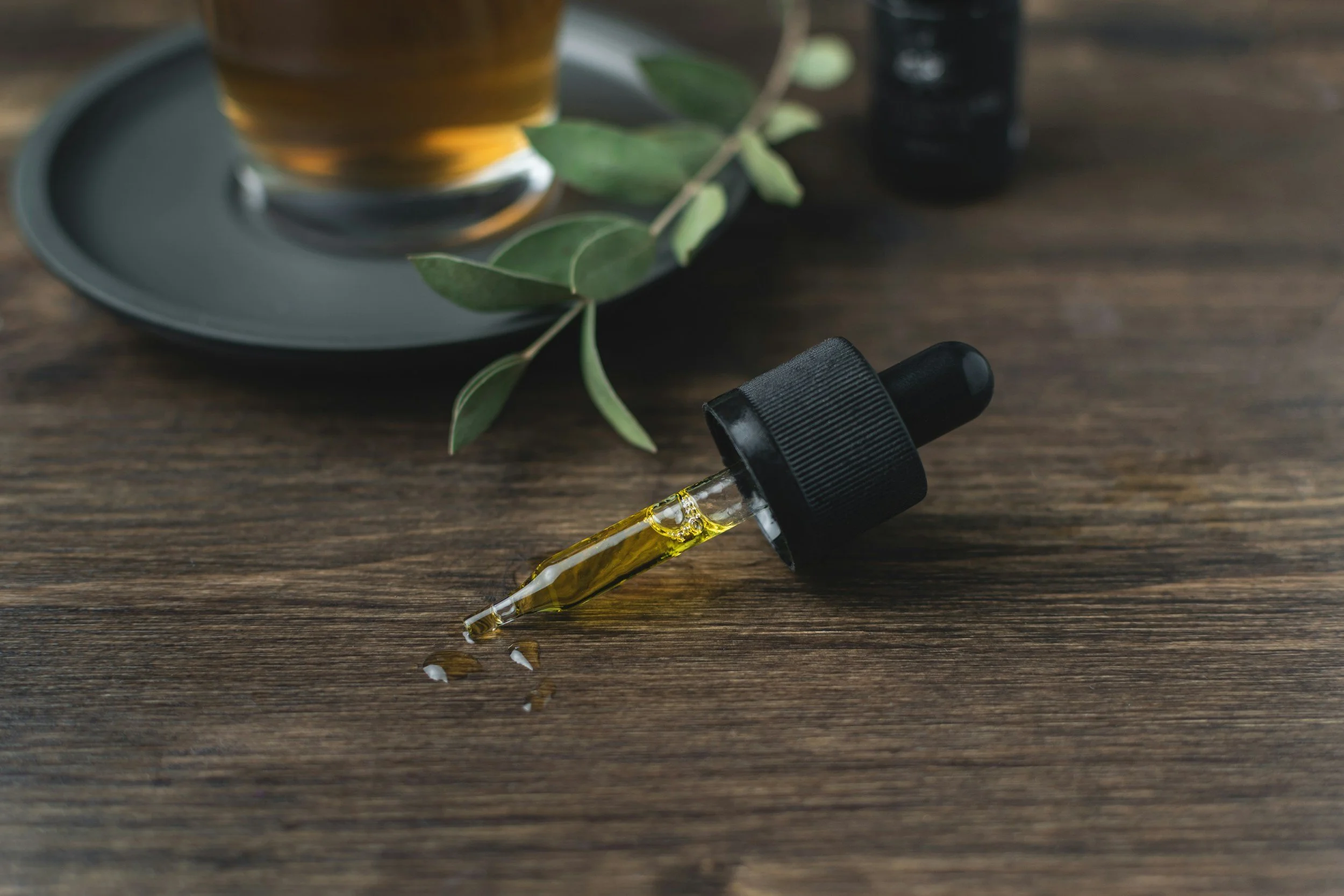
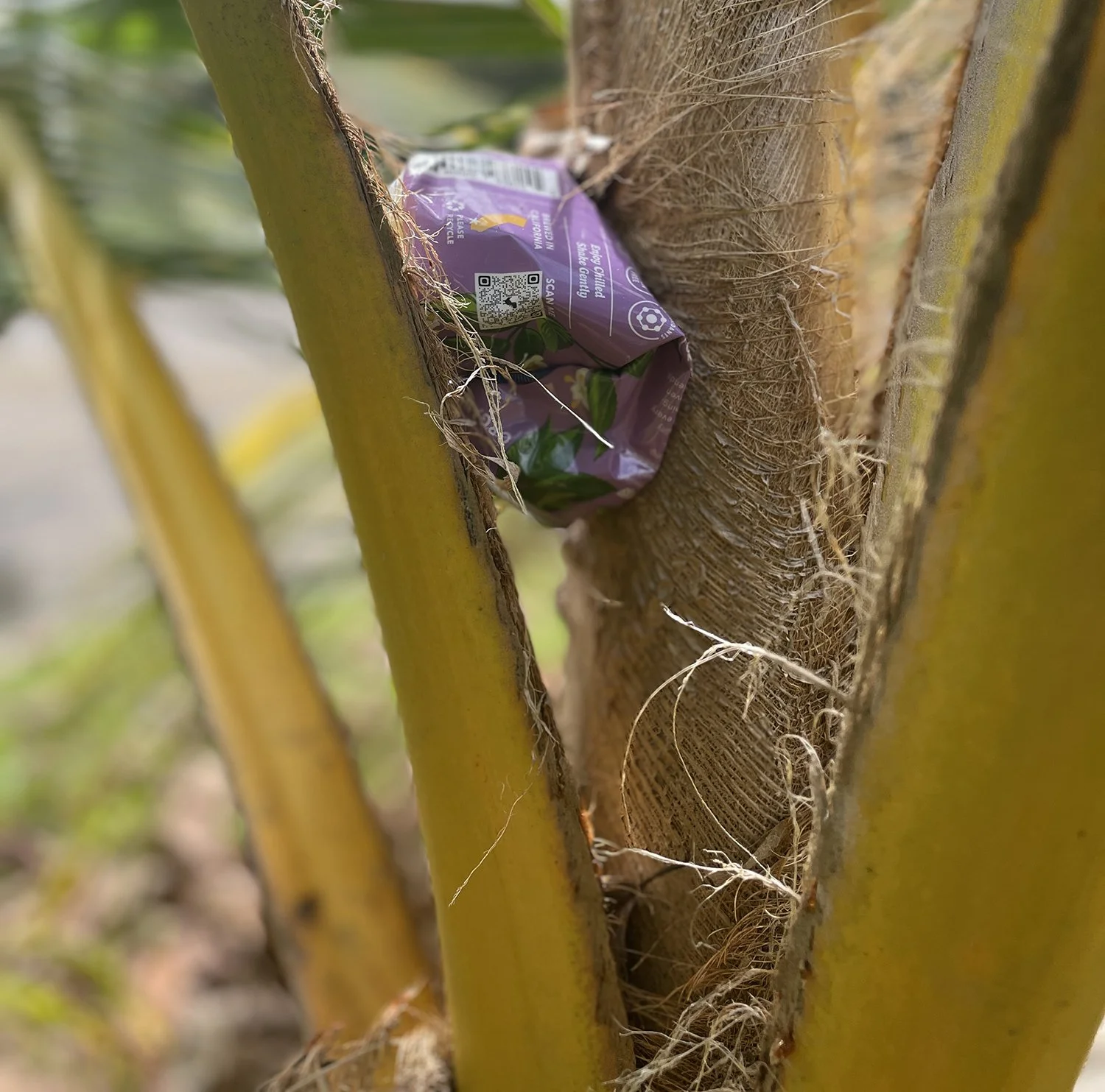
Crown spray Essential Oil Formula (see Essential Oil Formula page, under Control Methods Explained) immediately and frequently thereafter. Essential Oil Formula is sometimes applied in small, contained carriers (e.g., folded soda cans with infused pellets) placed near the meristem. These mixtures may help discourage repeated adult entry.
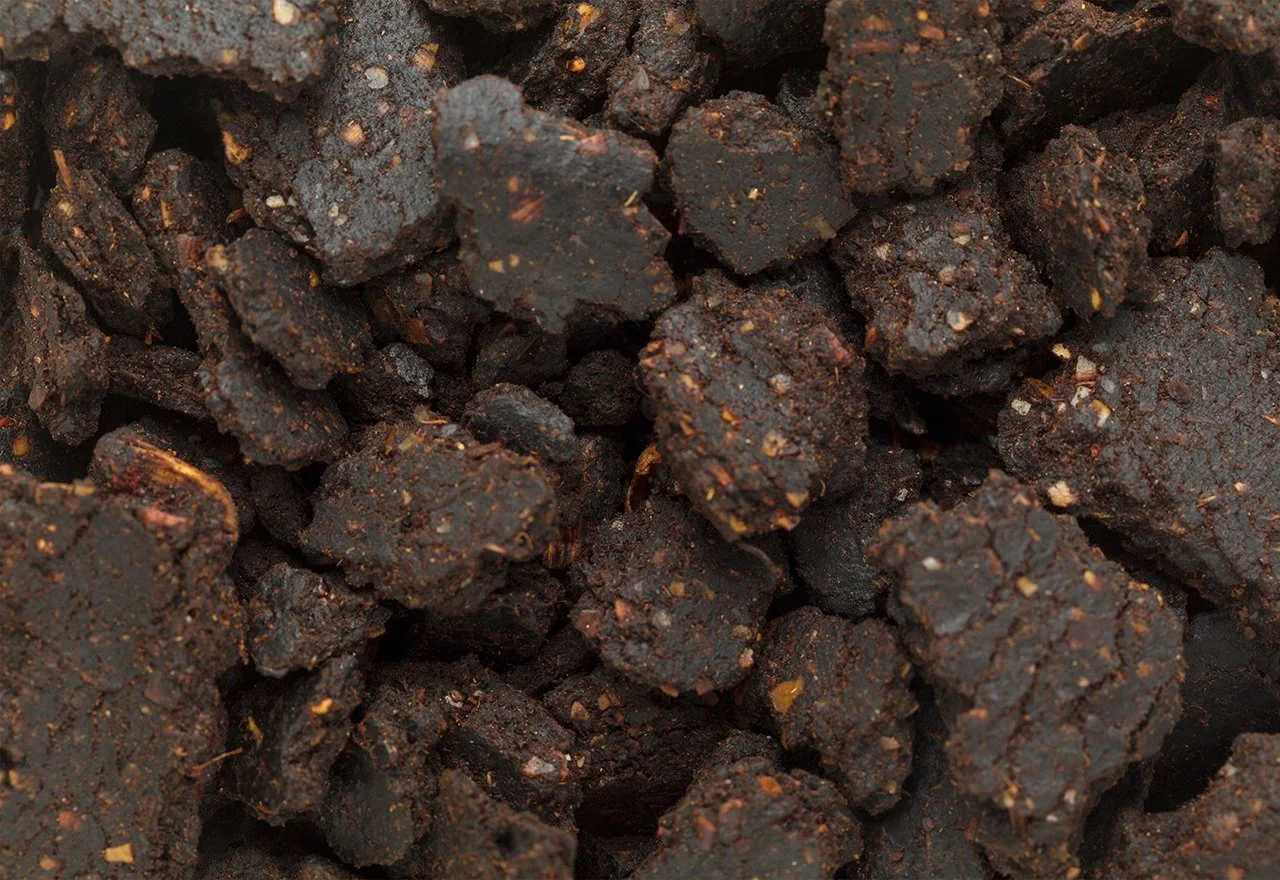
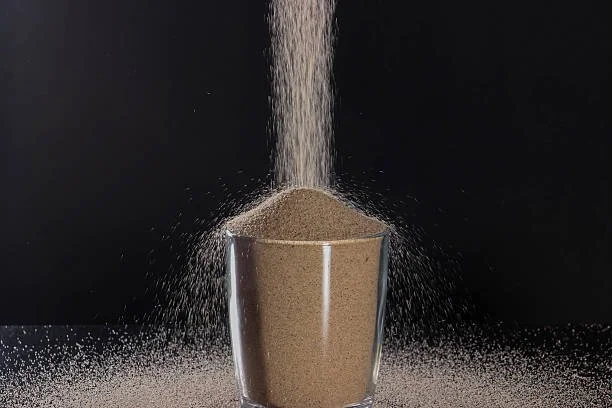
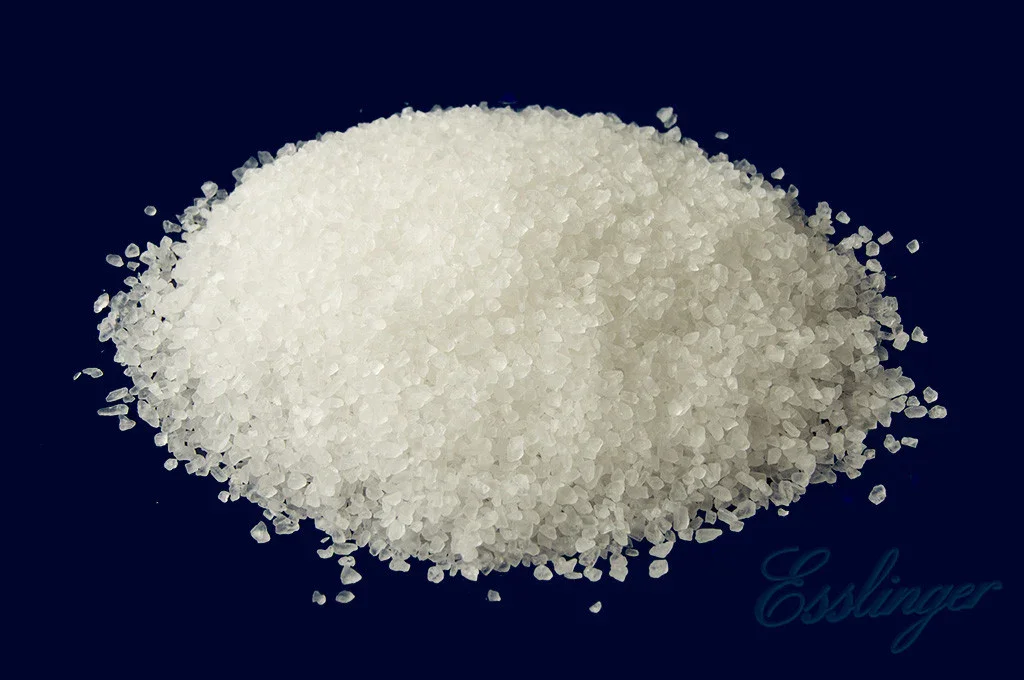
Neem meal, neem pellets, sand, or similar crown-top dressings are used by some as physical and botanical deterrents. They do not harm the palm and may help reduce the attractiveness of the crown to adult beetles.
Natural deterrents must be maintained and reapplied, as aroma and effectiveness decline with weathering, heat, and moisture.
Evidence varies for natural methods, and results depend heavily on placement, timing, and local conditions.
As with all methods, these treatments should be used with care, kept out of drainage channels, and applied in ways that avoid filling or burying the meristem.
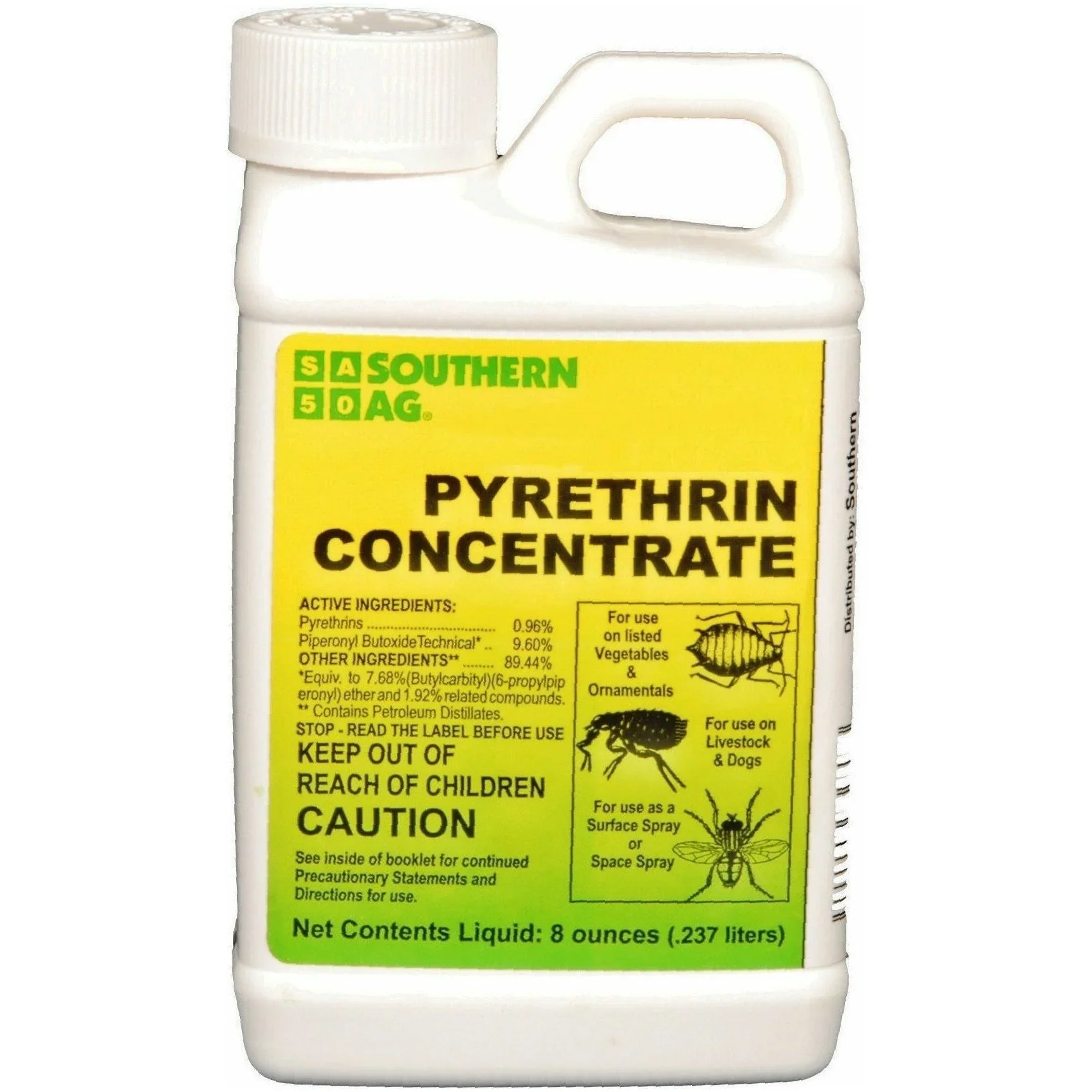
Some property owners apply a one-time pyrethrin or pyrethroid spray directly into fresh feeding holes or frass to reduce adult activity, followed by ongoing natural deterrents to maintain protection.
3a
3b
Pyrethrins & Pyrethroids
(Crown sprays used by some property owners after attack)
Some homeowners and professionals use pyrethrin (plant-derived) or pyrethroid (synthetic) products as part of a response plan after CRB damage is detected. These compounds are contact insecticides—they can kill adult CRB that are struck directly by spray or that move across treated crown surfaces. They do not repel CRB and do not reach larvae hidden deep inside the palm. Some property owners choose not to use these products; others use them selectively as part of a broader response plan.
Effectiveness in Practice
May help reduce adult beetle survival when applied to active feeding sites.
Most effective when directed into frass, entry holes, and crown surfaces where adults travel.
Pyrethroid-soaked burlap (in CTAHR trials) can extend contact time with fewer drift concerns.
Like all contact products, effectiveness depends on placement and timing.
Risks and Considerations
Pyrethrins (including OMRI-listed products) and pyrethroids can harm bees and beneficial insects on contact.
Drift can affect nearby flowering plants or waterways—application must follow label instructions carefully.
Pyrethrins break down quickly in sunlight; pyrethroids persist longer and may affect non-target organisms.
Neither option reaches the meristem or prevents new beetles from landing or boring.
Best Use
Pyrethrin/pyrethroid treatments are generally used as short-term, local knockdown tools and can be used in conjunction with subsequent ongoing application of Natural Treatments.
3c
Injectables
(Systemic treatments used by some property owners after attack)
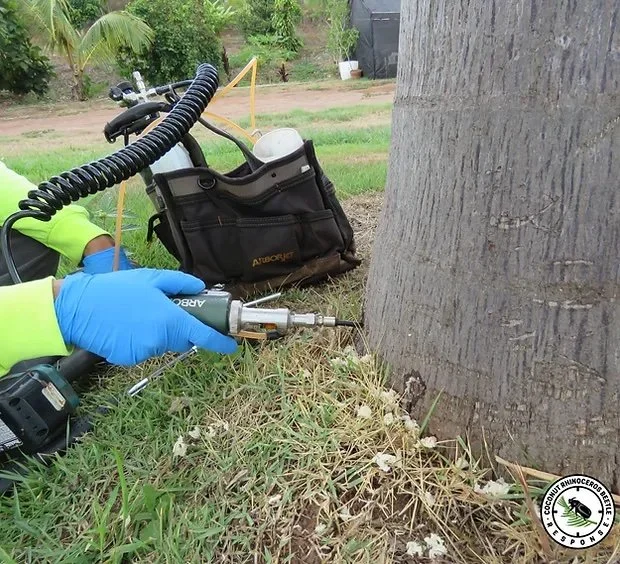
Some property owners and professionals use systemic injectable products to support palms after confirmed CRB attack. These compounds move within the tree’s vascular system and may reach feeding sites inside the crown that are difficult to access from the outside. Injectables do not prevent new CRB from landing, and they do not act on larvae already established in external breeding sites. Injectables are not effective in palms with severely damaged crowns or compromised meristems.
Effectiveness in Practice
Some property owners elect to use injectables after early signs of attack to help protect developing tissues.
While injectables cannot repair existing damage, they may offer limited protection to new growth when applied promptly to otherwise healthy palms.
May help protect developing tissues by delivering active ingredient into the meristem and upper crown.
Most useful when applied early, shortly after fresh damage is discovered.
Effectiveness varies depending on palm health, timing, and product type.
Some formulations require the removal of flowers and fruit before treatment (per label and professional guidance).
As with all methods, treatment decisions should follow product labels and current local recommendations.
4
Support Tree Recovery
Nourish
Fertilize and irrigate regularly, but avoid overwatering.
Protect
Protect the crown from additional beetle entry using netting or wraps.
Maintain
Maintain proper sanitation — remove fallen fronds and green waste that attract CRB.
5
If The Tree Cannot Be Saved
Remove
If the crown is destroyed or beetle activity is heavy, safely remove the palm to prevent it from becoming a breeding site.
The Bottom Line
Early action gives palms the best chance of survival.
Combine sanitation, biological tools, and regular monitoring—and seek professional advice if you’re unsure whether a palm can be saved. If it cannot be saved, remove palm completely. Whatever approach people choose—chemical or non-chemical—we encourage thoughtful, careful use to protect our environment, pollinators, water, and community health.