1
Eliminate Breeding Sites
This is the first and most important step in IPM (Integrated Pest Management). See the Green Waste, Plants, and Soil page below:
2
Netting & Traps
Netting and trapping go hand-in-hand with eliminating breeding sites as the foundation of safeguarding your palms from CRB.
Open the Traps Page
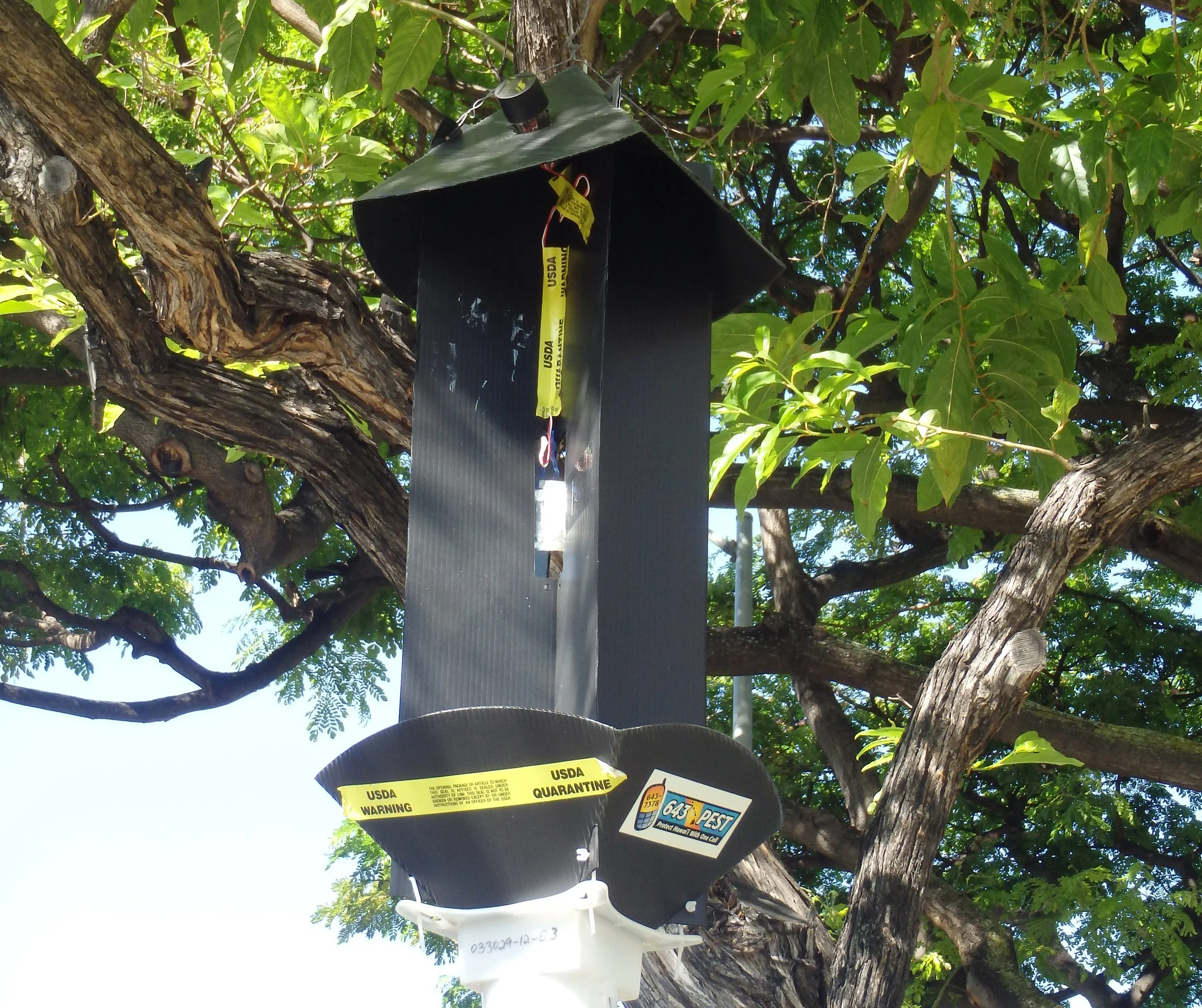
Non-Phermone and Phermone Lures
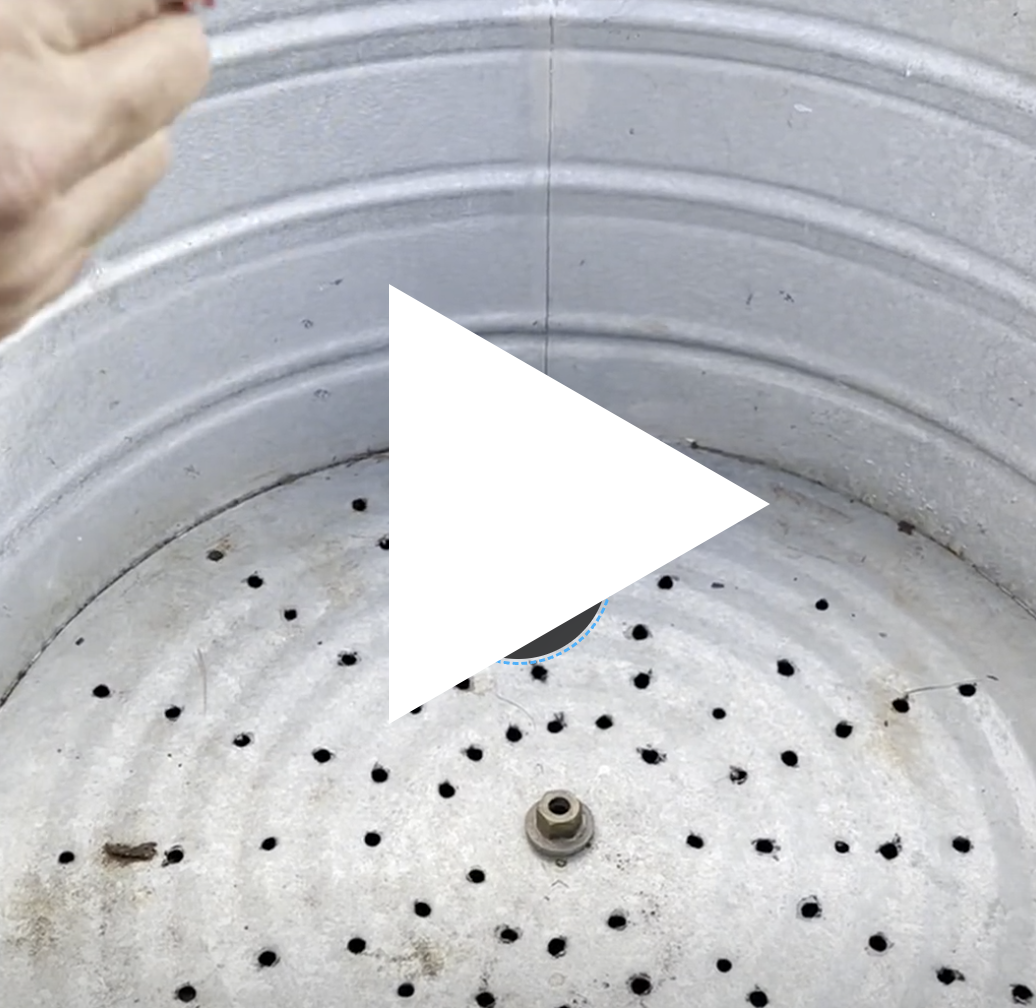
Help detect beetle presence early, before large infestations. Capturing adult CRB can also slow spread in affected areas. Read more and watch video demos on trap types, DIY construction, placement, and maintenance:
Open the Netting Page
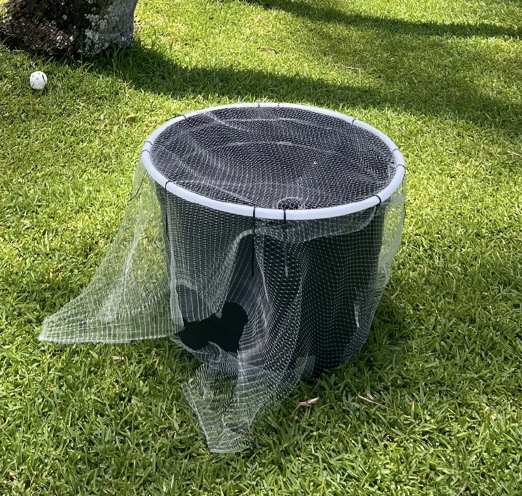
For Trees and Mulch
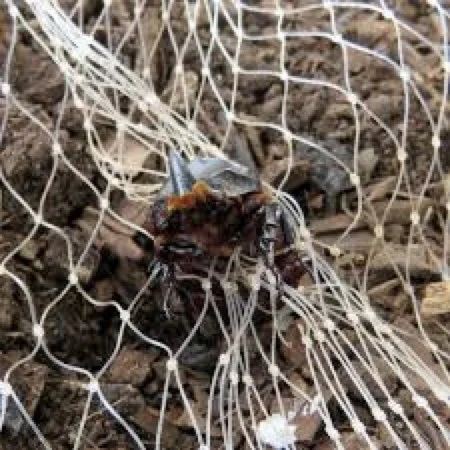
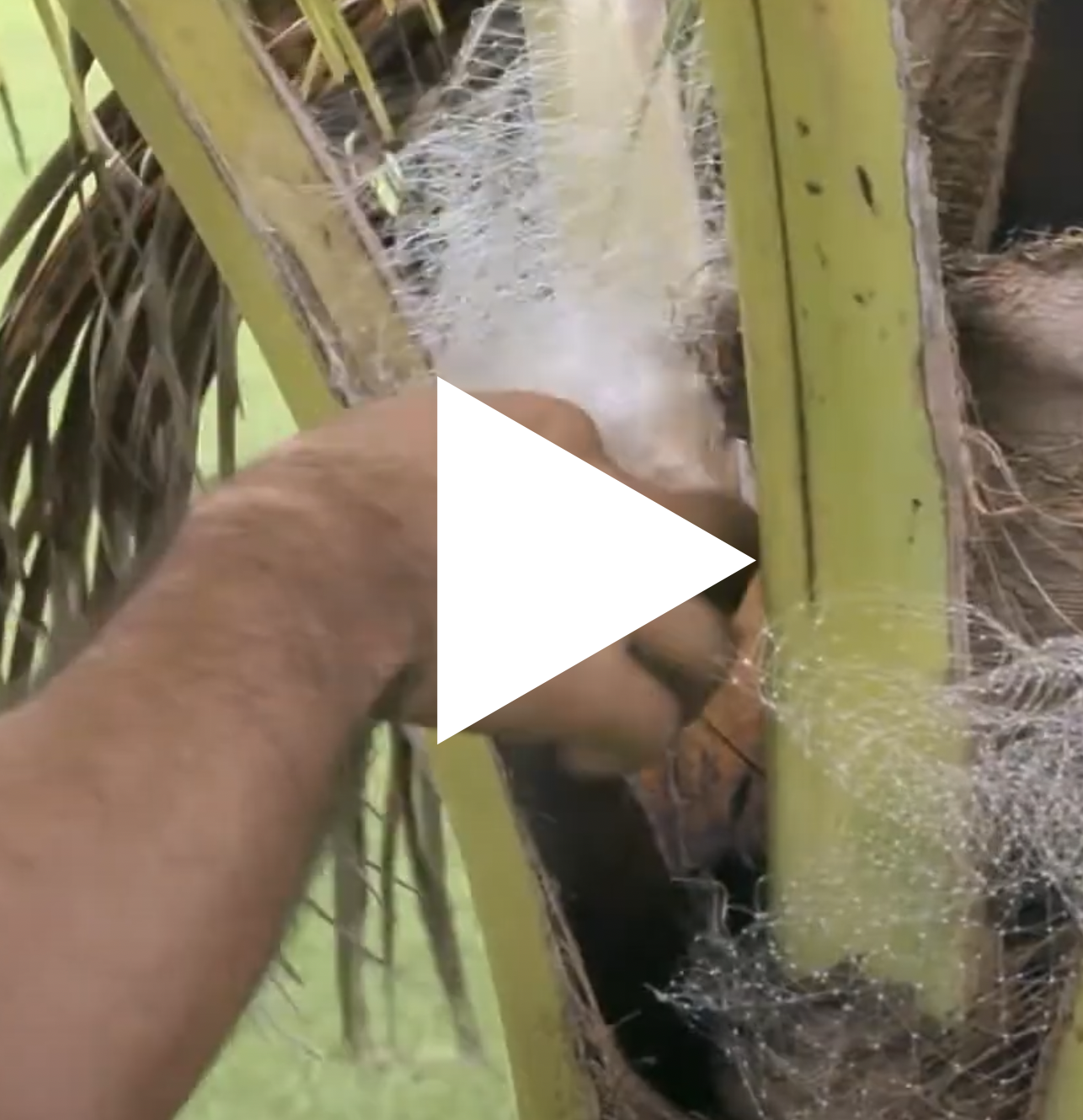
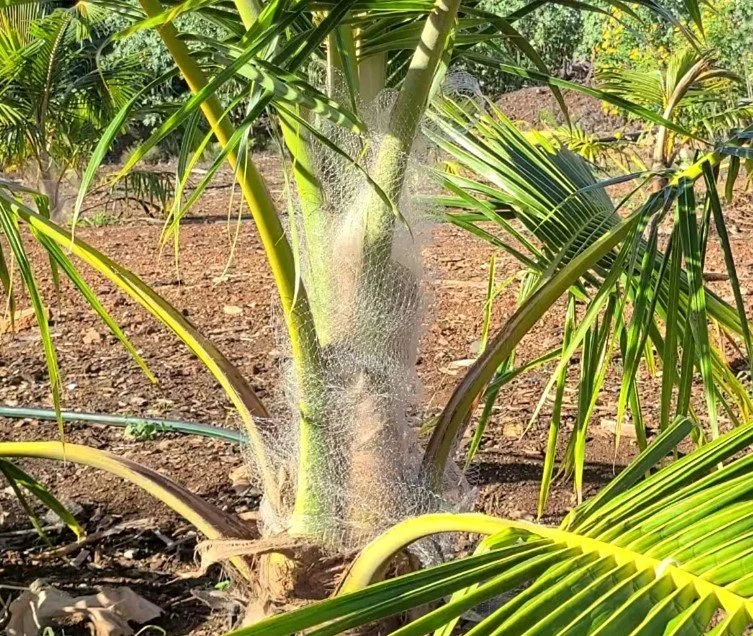
Using a physical barrier of monofilament netting helps trap CRB entering/exiting trees and mulch piles, and slows successful reproduction and spread. Learn more about netting specs and purchasing, and watch videos demos:
3
Build the Health of Palms: Irrigate & Fertilize
Palms with healthy immune systems tolerate and recover from CRB damage far better than stressed trees.
Fertilize regularly:
• Use foliar sprays for quick nutrient uptake (high Nitrogen & Potassium, low Phosphate).
• Apply granular fertilizer around (not on) the base of the tree, extending to the canopy perimeter.
Irrigate regularly
to reduce stress. Do not overwater.
Trim your trees carefully and take off all of the debris and brown fronds, remove any diseased coconuts, and be very careful not to injure the trunks nor use spikes at all for climbing.
4
Trim & Clean
Avoid “resort cleaning,” which removes protective fronds and attracts beetles.
Leave some nuts: supports hormonal balance & palms reabsorb nutrients from maturing nuts (unless using injectables, in which case you should trim all nuts and flowers and keep them trimmed until well after the last injection to protect pollinators and keep from producing toxic nuts that could be consumed).
Remove broken fronds and debris from around the base of fronds.
Apply basil oil solution (open the Essential Oil formula page) or pruning sealer to open cuts after trimming.
5
Choose Additional Prevention Protocol Options
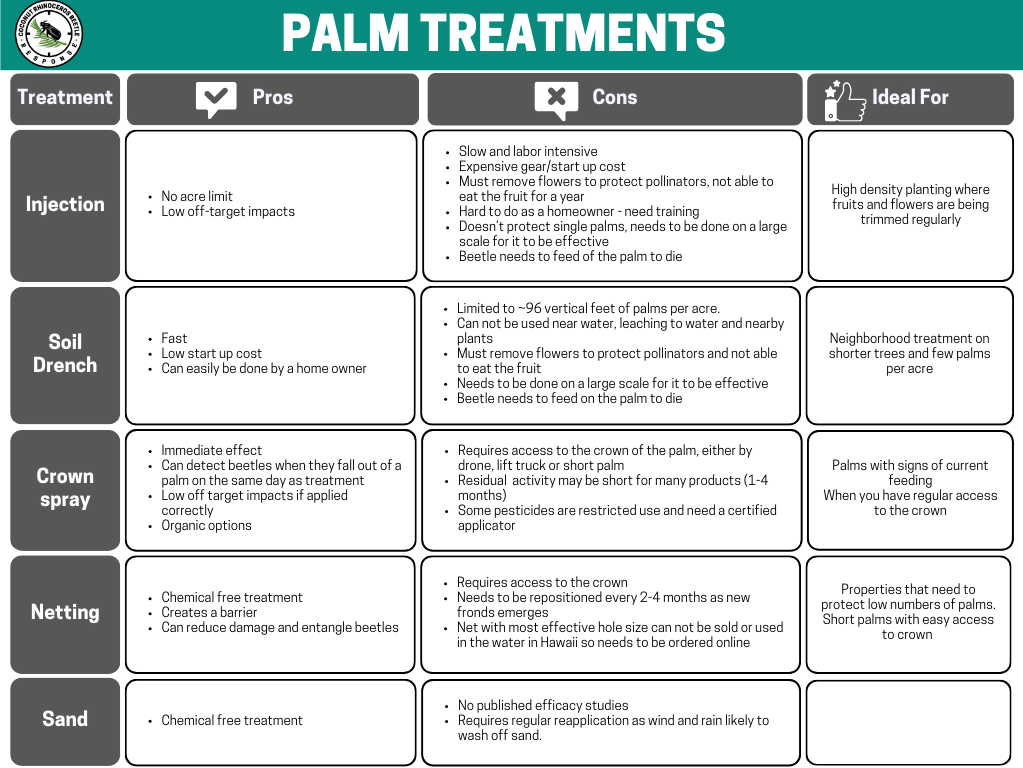
CRB Action Kauai shares clear, up-to-date information, reviewed for accuracy, so people can choose the prevention and treatment approaches that fit their needs, values, and situations. Because the realities on the ground differ—from the condition, height, and rarity of palms to rainfall, proximity to decaying green waste, food-use considerations, neighborhood context, budgets, and personal philosophy—property owners will make different choices, and that is inevitable. We encourage careful, mindful use of any approach to protect our island’s environment, pollinators, water, and community health. What matters is that we move forward with aloha, tolerance, and a shared commitment to caring for our island. This information will be updated as new research emerges, so we can keep learning and protecting Kauai together.
Spray With Essential Oil Formula
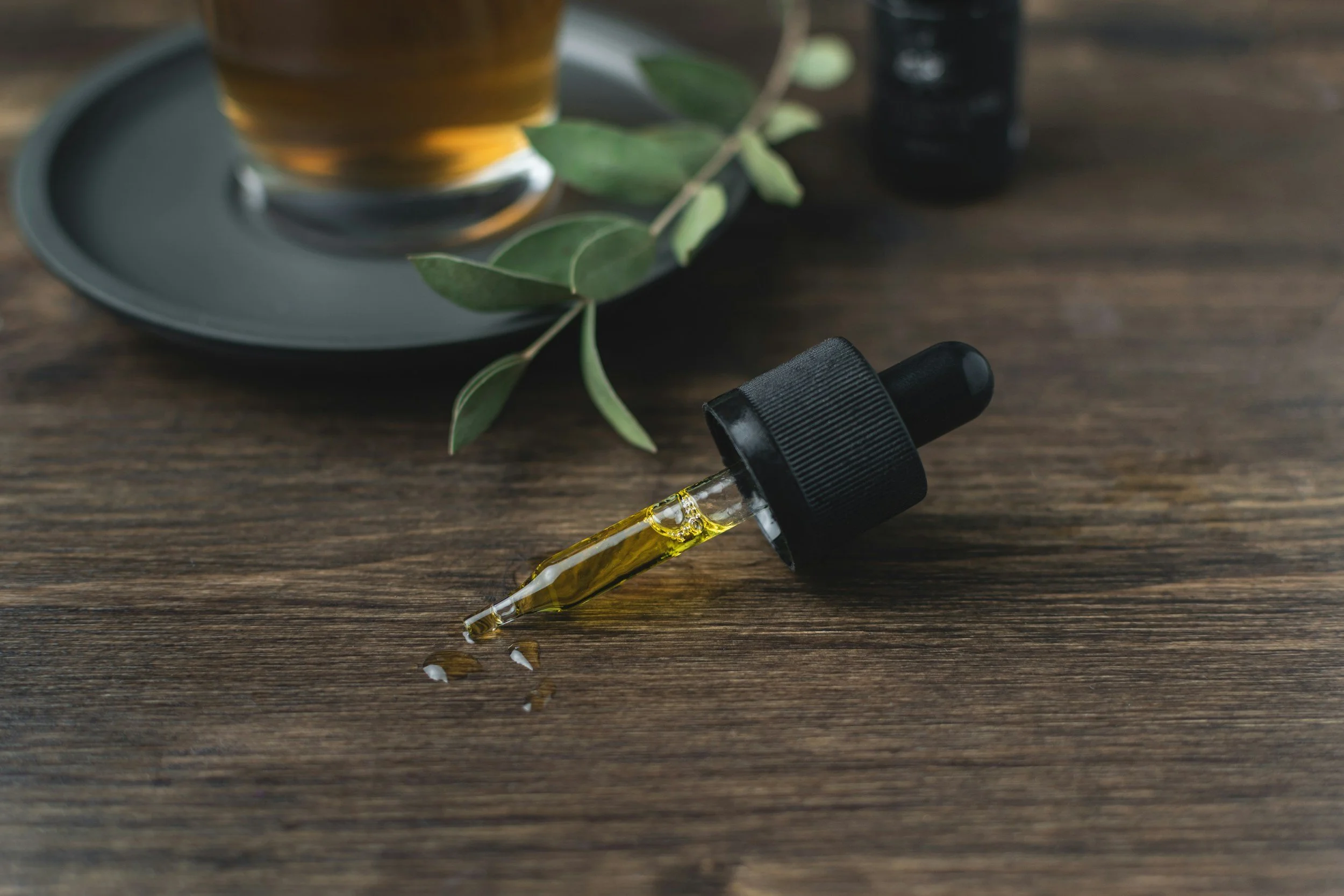
Some property owners use essential-oil sprays as a preventive deterrent. Aromatic compounds such as basil, clove, thyme, and neem may create an unfavorable scent profile in and around the crown, making palms less attractive to adult CRB. Sprays must be applied regularly, especially after rain or irrigation, to maintain aroma strength.
Read more about essential oils and the Spray Formula mixture:
5a
5b
Crown Application Of Non-Toxic Materials
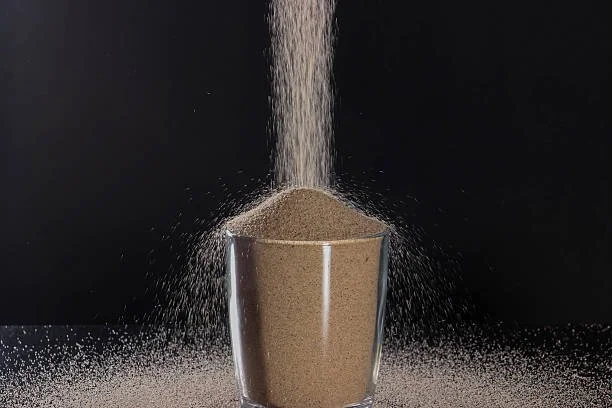
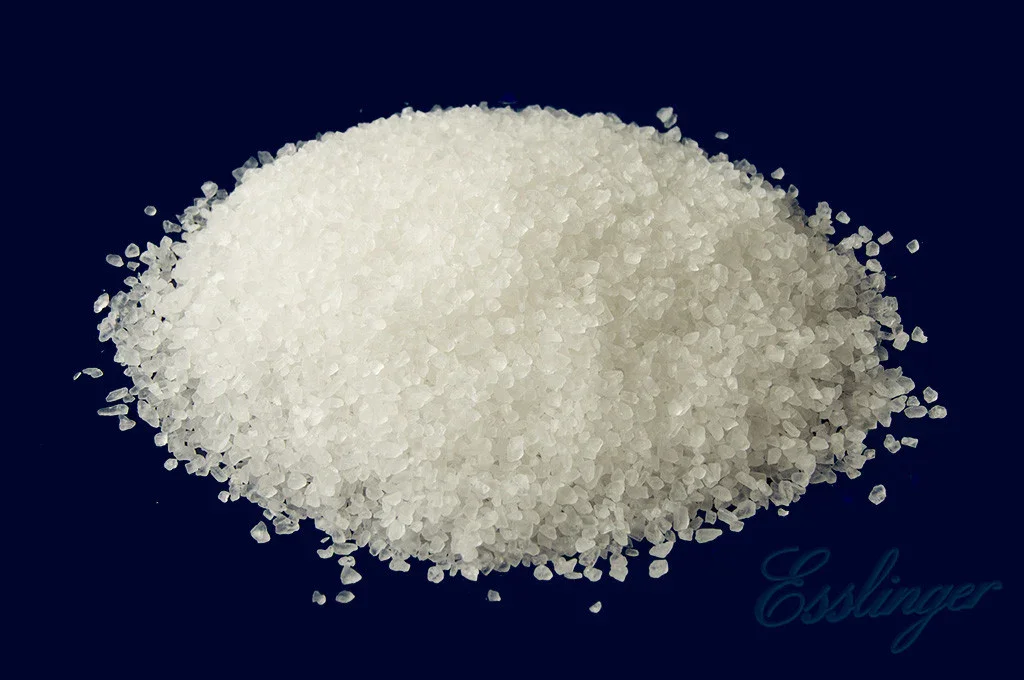
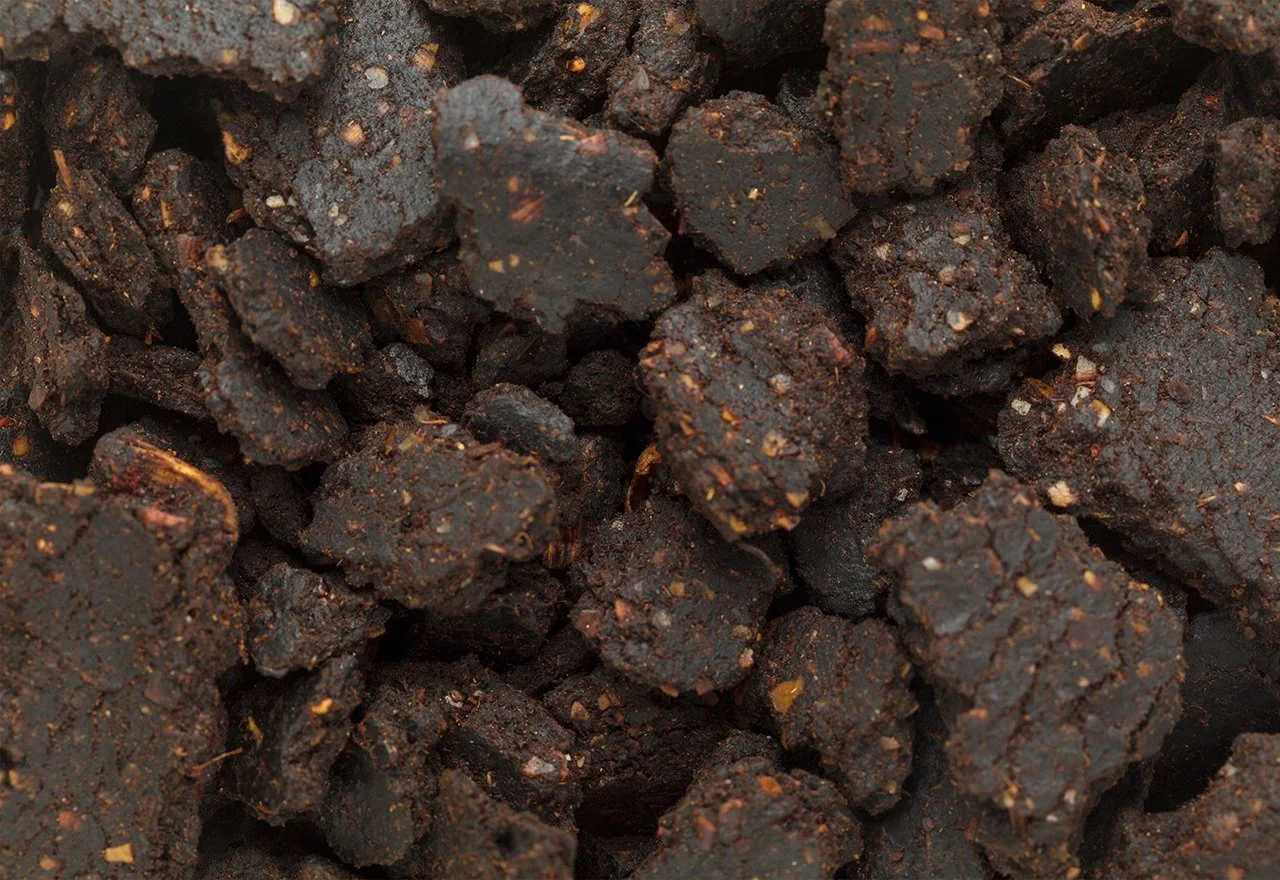
Materials like sand, neem meal, or certain botanical carriers are sometimes used preventively to reduce crown attractiveness. These substances can create mild physical or scent-based barriers that discourage adult beetles from selecting a palm as a feeding or boring site. They should be applied carefully so the meristem is not buried and drainage remains clear.
Read more about sand, salt, neem, wax cups, and mothballs:
Apply Pyrethrins and Pyrethroids
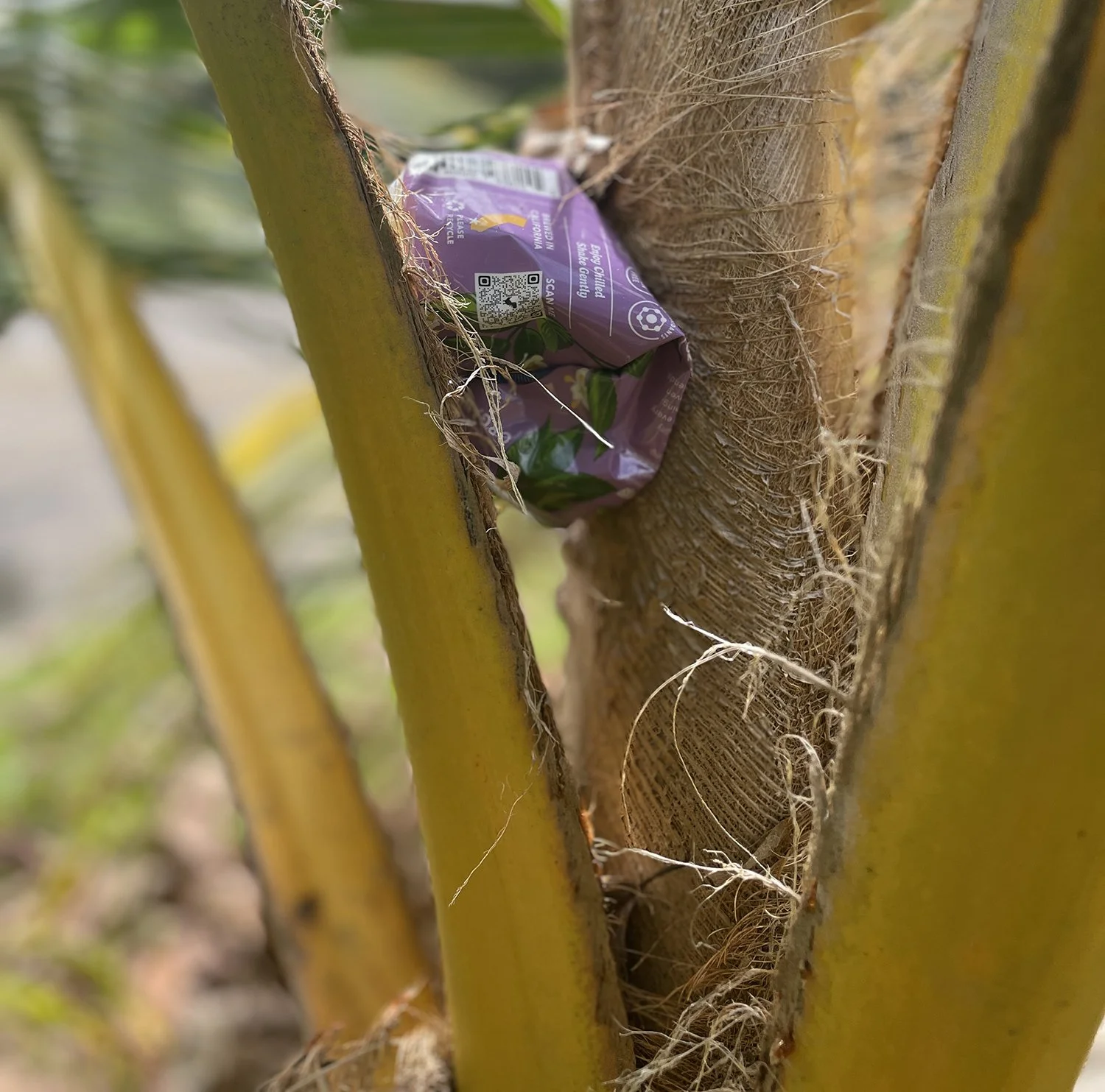
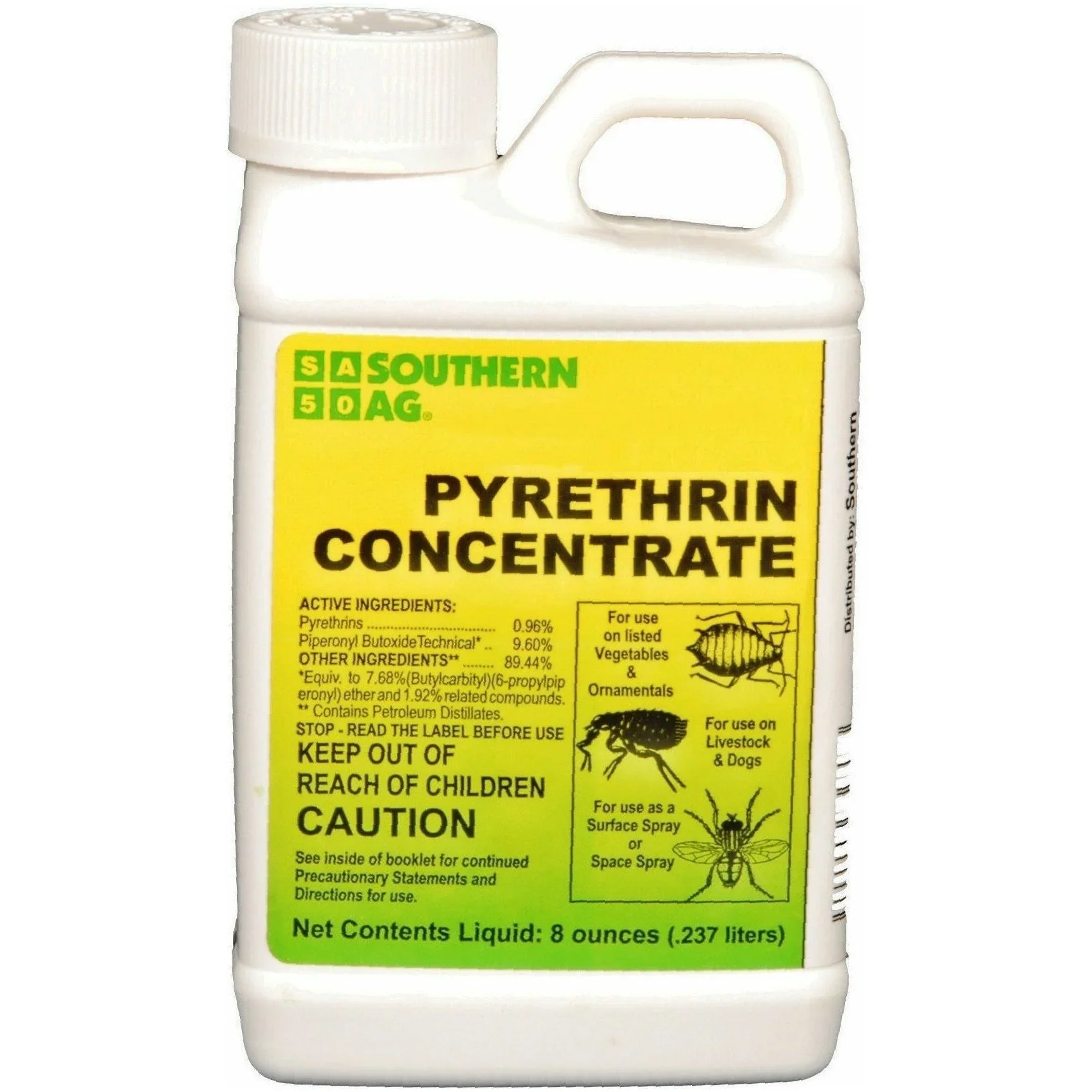
Some property owners use pyrethrin or pyrethroid products preventively to reduce adult CRB presence on treated surfaces. As contact insecticides, they act only when beetles touch or are struck by the spray; they do not repel CRB or reach the meristem. Preventive use typically involves periodic, targeted applications around the upper crown, following label instructions to minimize drift and protect non-target species.
Read more about Pyrethrins and Pyrethroids:
5c
5d
Injectables: Imidacloprid
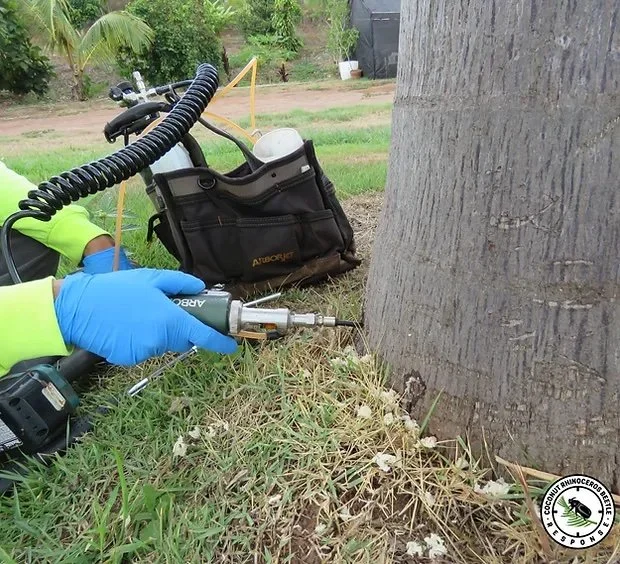
Injectable systemic products are sometimes used prophylactically to protect developing tissues inside the crown. When taken up by the palm, these compounds may expose adult beetles to lethal doses during feeding attempts. Injectables do not affect larvae in external breeding sites and require healthy, well-irrigated palms for effective uptake. Their preventive use depends on timing, palm condition, and compliance with label directions.
Read more about injectables:
6
Coordinate with Your Neighbors
CRB move property by property—one yard at a time won’t work.
Talk with neighbors and share information.
Align treatment timing to reduce reinfestation
Share tools, traps, and resources.
Neighborhood-wide action = best protection.
Why We Must Continue the Fight
By Brown Cannon SaveHawaiianPalms.com
When dealing with invasive insects, the goal is not to kill every single beetle. The goal is to stop successful reproduction in as many individuals as possible. Why?
Each individual that reproduces creates many more insects.
Stopping one breeder is more powerful than killing many non-breeders.
This is the core principle.
Invasive Insect Populations Grow Exponentially
One female CRB feeding successfully in a coconut crown can produce:
• 50–100 offspring
• Each offspring can produce 50–100 more.
The growth curve looks like this:
1 → 100 → 10,000 → 1,000,000
This is how coconut landscapes collapse fast once reproduction begins.
The Target: Not “ALL Beetles;” But rather Reproductive Bottlenecks
Population suppression focuses on reducing:
• Feeding success
• Egg laying
• Larval survival
Block successful crown feeding and you break the chain at its most leveraged point. This is what your repellent strategy does.
Why Repelling Works as Population Suppression
Instead of killing, it only needs to cause:
• Failed crown attack → failed reproduction → no next generation.
One failed feeding attempt = 50–100 beetles that won’t exist. Multiply that outcome across only 10 properties:
- 500–1,000 beetles prevented.
-Across 100 properties: 5,000–10,000 prevented.
This is how neighborhoods stabilize instead of collapse.
Doing Nothing Has the Opposite Effect
When a coconut is left unprotected and infested:
It becomes a breeding hub
Breeding hubs emit strong scent signals
Those scents attract more beetles
Explosive reproduction begins locally
Doing nothing is the fastest way to accelerate infestation.
Further Reading
From www.crbhawaii.org
An excellent resource for more details and information on the physical and chemical treatment for palm trees.